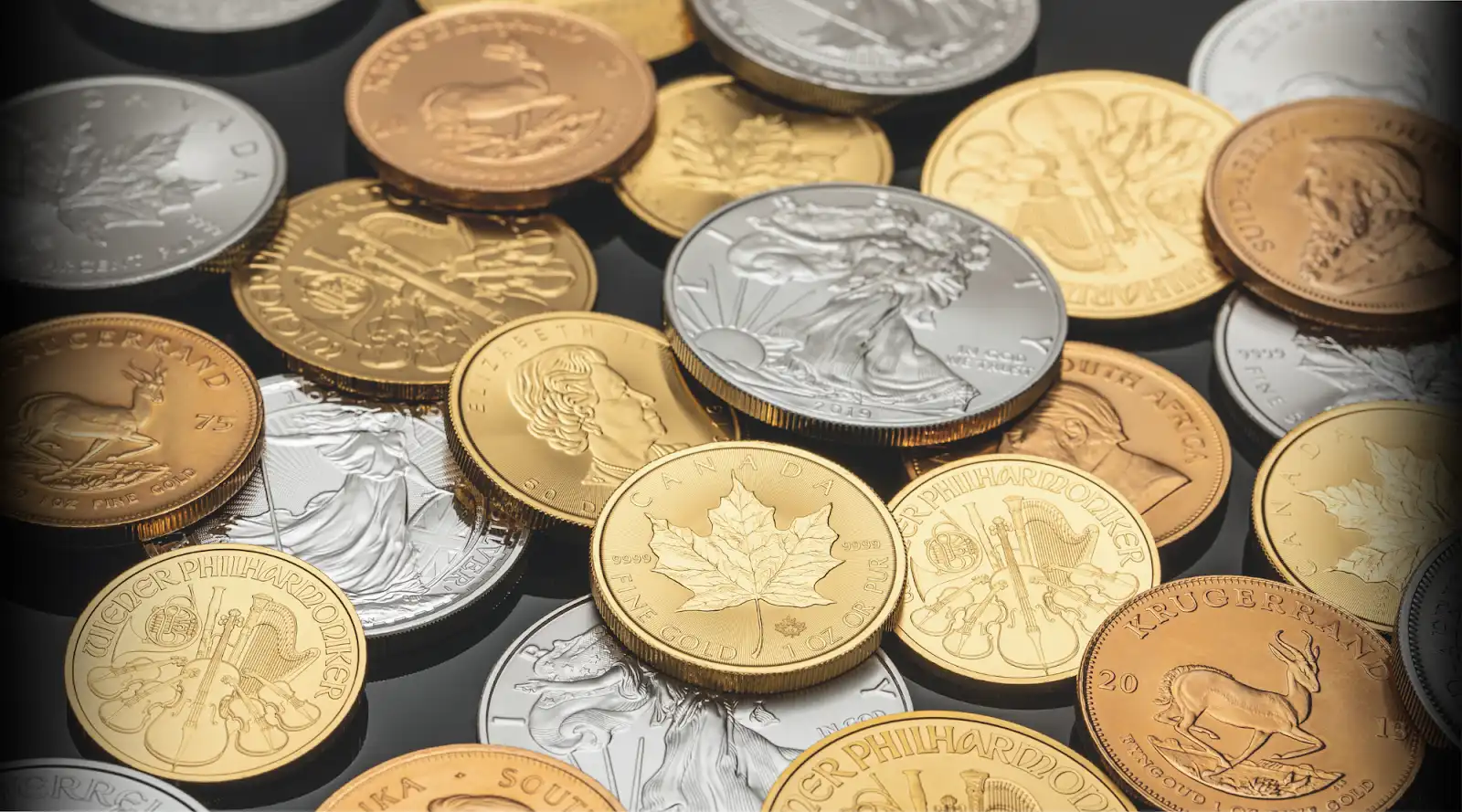
As the stock market swings wildly and inflation keeps rising, gold and silver become trusted options. These are real metals that can be held when other investments feel shaky.
People buy gold and silver to help keep their money safe, but is gold a good investment? Or is silver the better choice? And how do you even start investing in gold and silver without making it too complicated?
This guide will show you simple steps to get started with confidence and give clear advice you can actually use, whether you’re new to investing or just curious about precious metals.
Why Invest in Precious Metals?
Gold and silver have been trusted stores of value for thousands of years, and it’s easy to see why. When the financial markets feel shaky and inflation starts to chip away at your buying power, these metals often hold their ground better than paper money or stocks.
Investing in gold and silver offers some clear benefits:
- Protection Against Inflation: When prices rise, gold and silver tend to rise too, helping your savings stay ahead of rising costs.
- Tangible and Real: Unlike numbers on a screen or paper certificates, gold and silver are physical assets you can hold, store, and trust.
- Smart Mix: Adding precious metals spreads out risk. When stocks or bonds take a hit, gold and silver often move differently, softening blows from market dips.
Of course, there are trade-offs. Gold and silver don’t pay interest or dividends, and you can’t use them to buy groceries (not yet at least). Still, their long history as safe havens during uncertain times makes them valuable tools for building a balanced investment plan.
That mix of real value and steady stability is what draws many new investors to gold and silver, even when other investments feel confusing or risky.

Gold vs Silver: Key Differences
Gold and silver often get mentioned together, but each has its own personality when it comes to investing.
Here’s what sets them apart:
- Price and Stability: Gold usually costs more and changes value slowly. It’s perfect if you want a steady, low-drama investment. Silver is more affordable but tends to react more sharply, offering chances for bigger gains but also bigger dips.
- Industrial Demand: Silver’s role in machines and electronics is far bigger than gold’s, including solar panels—the sector most people know. When these industries shift, silver’s price is quick to follow, while gold stays calmer.
- Size and Storage: You can buy more silver for less money, which is great for beginners. But silver is heavier and bulkier to store compared to small, compact gold bars or coins.
- Historical Role: To this day, gold is bought, sold, and traded in massive quantities by governments around the world as a trusted store of value. Silver acts as the more accessible cousin, still important, just easier on the wallet.
Silver’s price swings can be surprising compared to gold’s steady pace. While gold provides a reliable foundation, silver adds a bit more energy and volatility to your portfolio. Many investors balance the two metals to combine safety with the opportunity for growth.
Ultimately, gold delivers stability and long-term trust while silver offers dynamic potential and versatility. Understanding these differences helps you build an investment approach that suits your goals, whether that means focusing on one metal or blending both for a balanced strategy.
How to Invest in Gold and Silver
There are plenty of ways to invest in gold and silver, but not all of them are as simple or as safe as they seem.
ETFs and Digital Gold
Many investors like ETFs or digital gold because buying a ticker symbol feels familiar and straightforward. It’s convenient, quick, and feels like a natural extension of stock investing.
But here’s the catch: when you buy digital gold or silver, you’re often holding a promise, not the metal itself. Some companies have sold way more “paper ounces” than the physical metal they actually own. Think of it like buying tickets to a sold-out concert. If everyone shows up, not everyone gets in.
That’s a risk many overlook until it matters. When lots of investors want their physical metal at once.
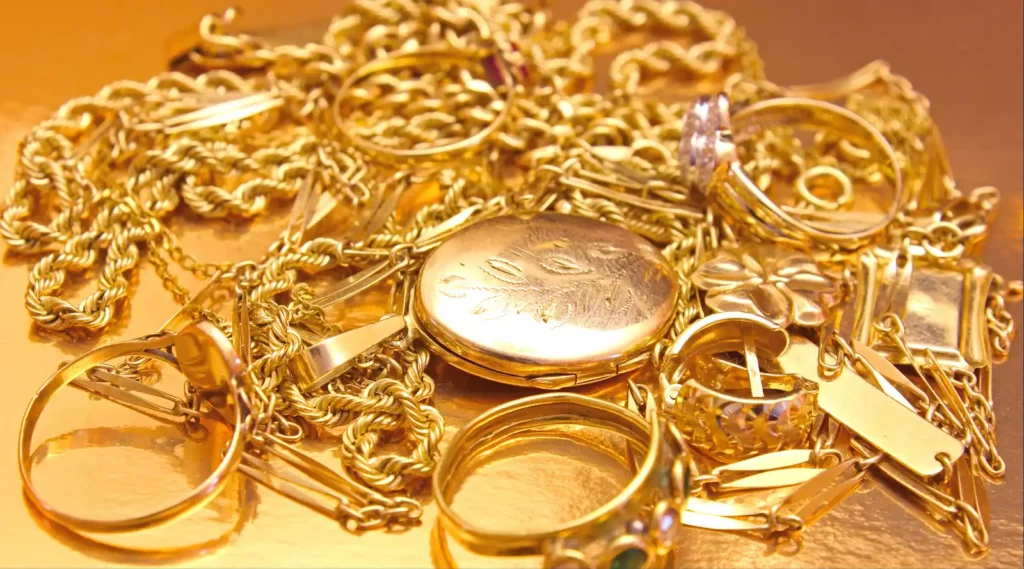
Jewelry
Who doesn’t love the shine and story of a beautiful piece of jewelry? It’s tempting to think of it as an investment.
Still, jewelry comes with steep markups. Sometimes five to twenty times the metal’s raw value. You’re paying not just for gold or silver, but for design, craftsmanship, and brand name.
When you sell, most dealers are only interested in the raw metal content. Not the design or brand behind it. That means you’re unlikely to get back what you paid by selling the metal alone.
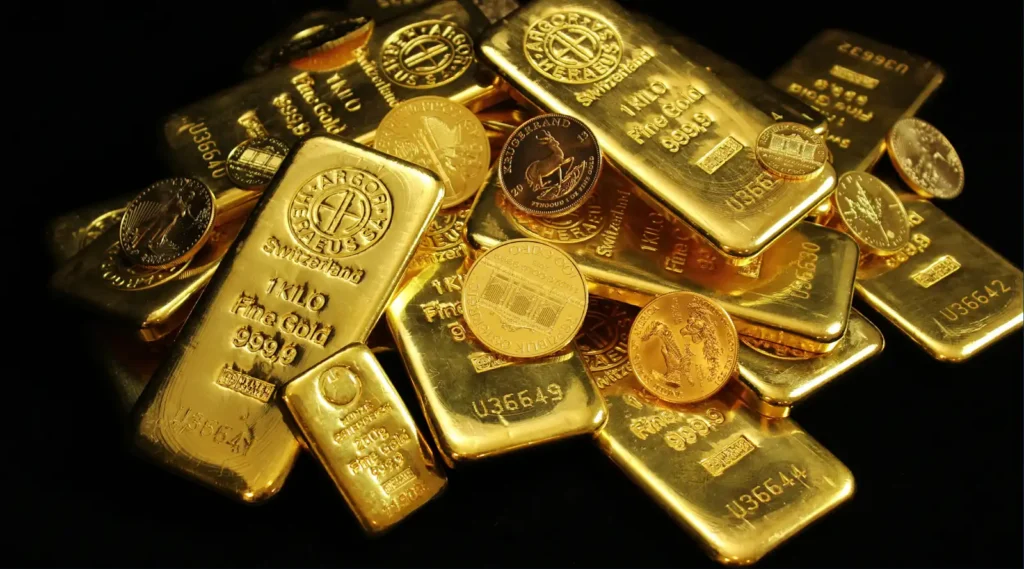
Physical Bullion (Coins, Bars, Rounds)
Here’s the most straightforward route. Owning real pieces of gold or silver you can physically hold.
You know exactly what you have in your hands. That certainty comes at a cost.
You’ll pay a premium above market price. This covers mining, refining, manufacturing, and dealer fees. Basically, the full journey from underground to your vault.
Buying physical bullion means true ownership. It also means responsibility for safe storage.
Each option has pros and cons. ETFs are easy but may represent “paper” metal. Jewelry looks good but rarely makes a solid investment. Physical bullion is real metal but costs more upfront and needs care.
Knowing these differences helps you make smarter choices. Whether you want quick access or something you can hold, smart investing starts with understanding what you’re really getting.
Risks and Considerations When Investing in Precious Metals
- Liquidity: Selling metals is not a quick click on your phone. It often means a trip to the dealer and some back-and-forth on price. Prices can shift from when you first look to when you make the deal. Plus, prices vary a bit from dealer to dealer, so it pays to shop around.
- Volatility: Metals, just like any investment, don’t neatly inch up in value. Sometimes prices leap or plunge suddenly, or settle into a long, quiet stretch. Think of it as a rollercoaster ride more than a slow climb.
- Premiums: You’ll almost always pay more than the metal’s spot price when buying, that’s the premium everyone talks about. When you sell, expect a bit less than spot price because dealers need their cut. Paying these premiums is part of the game, even if it smartly stings.
- Counterfeits: Beware the fake coins and bars lurking out there. But as long as you stick with reputable dealers who verify what they sell, your risk is low.
- Paper Gold: If you’re considering “paper gold” like ETFs or digital options, remember you don’t actually own the metal. You hold a claim that might not easily convert to real metal if demand surges.
- No Yield: Metals don’t pay dividends or interest. They build wealth slowly, making them better for long-term holding rather than quick wins.
- Storage: Don’t forget storage. Whether it’s a home safe, a bank box, or a trusted vault, keeping your metals secure comes with costs and responsibilities. Neglecting storage puts your investment at risk.
Start small, choose trusted dealers, and know what you’re getting into.
How to Begin Investing in Precious Metals
Getting started with precious metals investing doesn’t require investing a massive fortune. Here’s how to begin without feeling overwhelmed.
- Start small: A little silver or gold teaches you the ropes without bleeding your wallet. Baby steps beat big leaps every time.
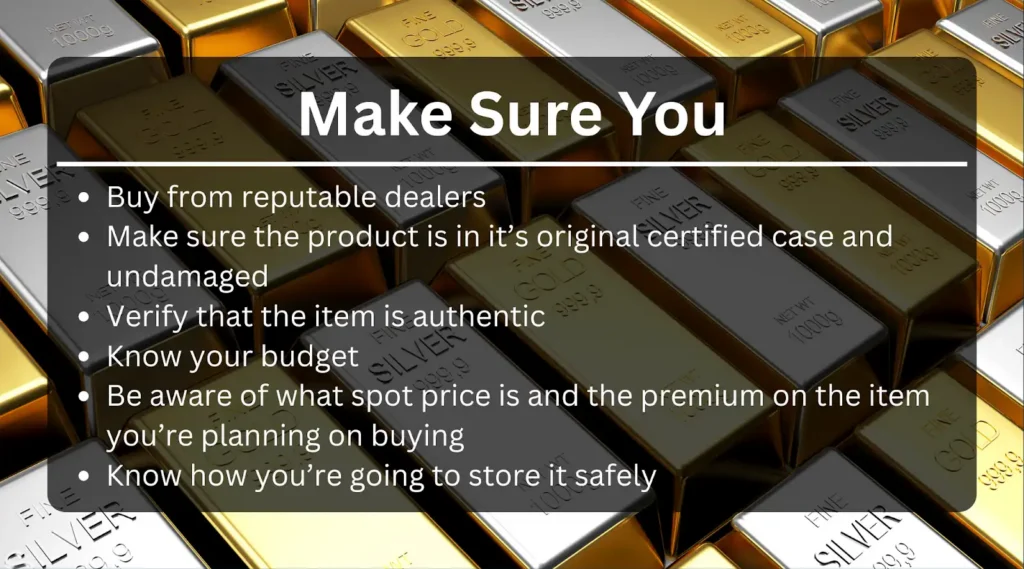
- Pick a trusted dealer: Ask questions, check reviews, and skip anything that smells fishy. Transparency beats hype.
- Pick your strategy: Decide what feels comfortable to buy and spend, then turn it into a plan. Maybe it’s small silver buys each week or a set amount of gold every pay period. Having a strategy makes investing easier over time.
- Plan for storage: Whether it’s a safe at home or a vault downtown, keeping your metals secure is part of the deal.
- Stay curious: The market shifts fast. Stay informed, ask around, and don’t fall for shortcuts.
Getting started isn’t about perfection. It’s about learning, staying cautious, and actually taking action.
Ready to Take Action?
Investing in precious metals is about smart, steady steps, not quick wins. Start small, stay informed, and build confidence over time.
For more information, check out our articles on “How to Buy Gold” and “How to Buy Silver.” They’re perfect next stops on your investment journey.
Or if you’re ready to buy and looking for the best deals on bullion, check out our online shop at goldguysbullion.com.