BUILD YOUR WEALTH LEARN MORE
Beginning Tuesday April 14 we are implementing new hours of operation at our Duluth, Maple Grove, and Woodbury locations.

Monday through Friday, 10 a.m.–7 p.m.
Saturday, 10 a.m.–6 p.m.
Sunday 11 a.m.-6 p.m.
X

How to Protect Your Bullion: The Best (and Worst) Ways to Store Coins, Bars, and Rounds

Most people buy gold and silver because they want physical wealth free from counterparty risk.

Yet holding real money comes with a certain risk that has nothing to do with market crashes or central banks. Pure precious metals are easily damaged.

  • They can erode when exposed to atmospheric sulfur.
  • Bad storage plastics can stain them.
  • And careless human handling can permanently scar them.

Not all bullion storage options are created equal. Protecting investment-grade gold and silver requires knowing the hierarchy of protection.

This practical guide ranks every storage method, exposes environmental threats, and gives you the exact handling rules needed to keep your buyback premiums intact. Read more »

How Pure Is My Gold? The Guide to Reading Jewelry Stamps & Hallmarks

You found a dusty jewelry piece in an old drawer and immediately wonder if it is real.

Your eyes tell you it is valuable gold. Your gut tells you it might just be cheap costume brass. You cannot rely on simple hope when dealing with precious metals.

Even experienced estate buyers get fooled by modern plated counterfeits.

The weight might feel perfect in your hand. The shine might look completely authentic under warm light. However, real gold has a specific chemical identity.

You need a reliable way to verify what you actually hold.

Fortunately, there are two distinct ways to find out.

  1. You can decode the tiny hidden stamps on your own.
  2. You can let a professional run a high-tech test.

Let’s look at how you can separate real treasure from gold-painted junk. Read more »

How to Spot Fake Jewelry At Home: The Ultimate Insider’s Guide

A stamp like “14K” or “925” isn’t a guarantee anymore.

Modern counterfeiters don’t just replicate designs. They actively fabricate stamps, weights, and finishes to exploit the psychological trust we put into little numbers stamped on a clasp. It is a highly profitable illusion.

True economic value is entirely based on the raw material content, not the retail appraisal value.

To avoid getting burned by online scams or bad inheritances, you need a multi-layered verification system. Relying on a single metric is exactly how buyers lose thousands of dollars to clever metal plating.

This guide details exactly how to spot fake gold, silver, and platinum jewelry at home.

Read more »

When is the Best Time to Sell Your Jewelry? (The Honest Truth)

Gold prices are high, and headlines are screaming.

Every major financial news outlet is flashing breaking alerts about historic market highs. This constant media noise causes a massive wave of fear-of-missing-out for ordinary people. You look at your dresser drawer, wondering if you should wait for the absolute peak.

It feels like a high-stakes game of financial chicken where one wrong move means losing out. The hard truth is that trying to time paper markets with consumer jewelry is a losing game.

Your decision to sell should be dictated by personal utility, not by volatile Wall Street tickers. Because jewelry is an alloyed, lightweight item rather than pure investment bullion, day-to-day market swings mean nothing. The smartest time to sell is when the cash serves a specific, immediate purpose in your life.

Alternatively, it makes sense when you want to convert an inefficient fashion asset into pure physical bullion. Chasing an extra five dollars while your capital sits dead in a box is a trap.

Stop letting institutional market manipulators dictate the value of the items sitting on your dresser, and learn when the real best time to sell is.

Read more »

Smelting vs. Refining: What’s the Real Difference?

The material world is built on technical terminology that outsiders easily confuse.

Amateurs constantly make the mistake of using the terms “smelting” and “refining” interchangeably. They assume any industrial process involving extreme heat and glowing, liquid metal is doing the exact same mechanical job.

Industrial manufacturing treats raw materials as finished commodities only after extensive processing.

In reality, physical elements must cross major physical, chemical, and thermal developmental thresholds. If you do not know the difference between extracting a metal and purifying it, you miss the core of metallurgy. You miss how raw geological matter becomes advanced material technology.

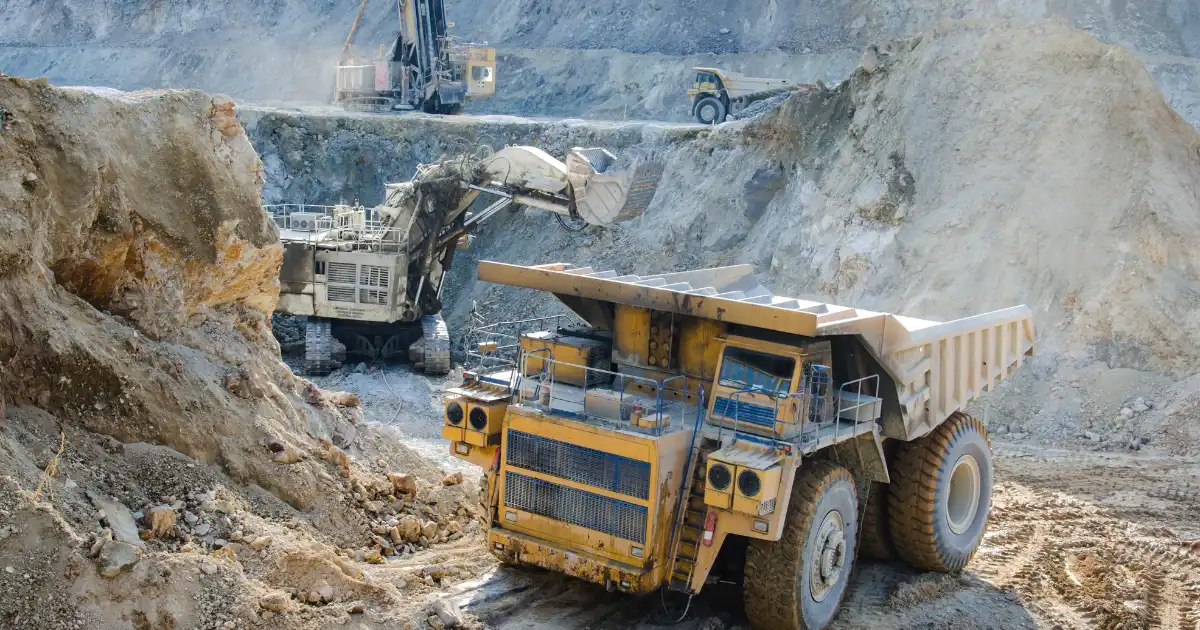
Smelting extracts raw, semi-pure metal from bulk material using high heat and chemical fluxes. Refining purifies that extracted metal at an atomic level using acids or electrolysis to achieve specific, high-purity industrial standards.

This article breaks down the exact science of both developmental stages.

You will discover why you cannot use raw material right out of a smelter. More importantly, you will learn the physical realities that separate bulk extraction from atomic isolation. Read more »

ups
Safe, Fast & Insured Shipping

The Gold Guys uses UPS to make sure your items arrive just as you shipped them. Learn more »

bbc
An "A" Rating from the BBB

The Gold Guys works hard to deliver the best customer experience and it shows with our rating from the BBB. Learn more »