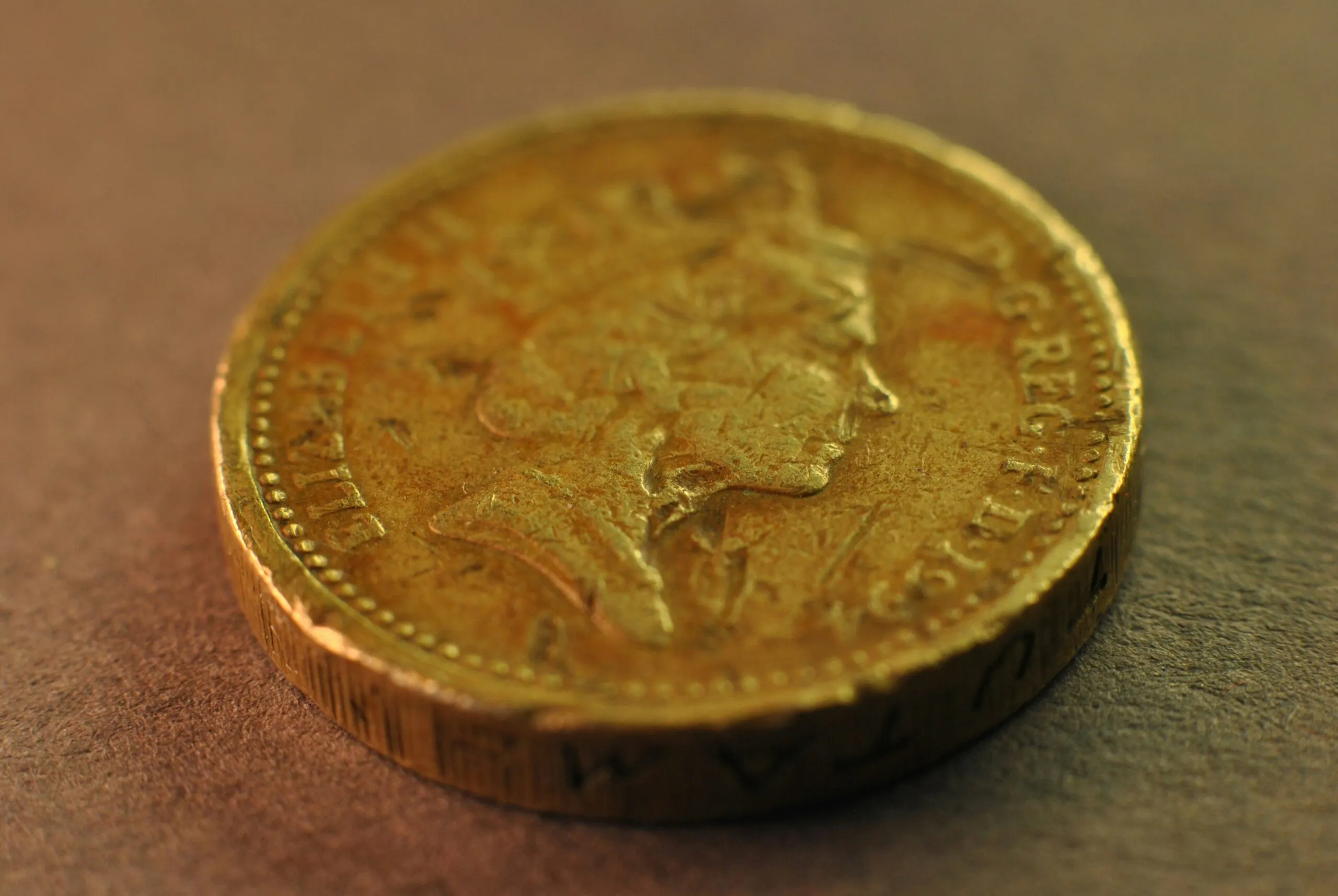
Most people buy gold and silver because they want physical wealth free from counterparty risk.
Yet holding real money comes with a certain risk that has nothing to do with market crashes or central banks. Pure precious metals are easily damaged.
- They can erode when exposed to atmospheric sulfur.
- Bad storage plastics can stain them.
- And careless human handling can permanently scar them.
Not all bullion storage options are created equal. Protecting investment-grade gold and silver requires knowing the hierarchy of protection.
This practical guide ranks every storage method, exposes environmental threats, and gives you the exact handling rules needed to keep your buyback premiums intact.
The Tier List: Ranking Bullion Storage Methods
| Tier | Storage Type | Verdict / Ideal Use Case |
| Tier 1 | Air-Tight Acrylic Capsules & Mint Tubes | Gold Standard. Air-tight, archival, 100% non-reactive. |
| Tier 2 | Mylar Flips (Non-PVC) | Good. Safe for short-to-medium-term sorting and organizing. |
| Tier 3 | Cardboard 2×2 Holders | Bare Minimum. Fine for low-value circulation or junk silver. |
| Avoid | Soft PVC Sleeves | Avoid. Causes permanent chemical damage and green corruption. |
Tier 1: Air-Tight Capsules & Mint Tubes
Physical bullion carries no third-party financial risk, but it demands total protection from physical contamination.
Acrylic capsules use injection-molded, non-reactive hard plastic to completely isolate precious metal from atmospheric oxygen, sulfur, and ambient moisture. This creates an impenetrable seal that preserves delicate surface details and maintains peak collector appeal over long investment horizons.
Investments like American Eagles, Canadian Maples, and other gold coins belong inside fitted acrylic holders.
Bulk stackers who accumulate standard one-ounce silver rounds often prefer rigid polypropylene mint tubes instead.
These heavy-duty plastic cylinders stack twenty to twenty-five coins into a compact, uniform footprint that maximizes safe safe-deposit space. Keeping coins tightly grouped minimizes airflow, though slight friction marks can occur if tubes shake repeatedly during transport.
Storing bulk inventory in sealed mint tubes remains the most practical strategy for serious long-term stackers.
A customer once brought us two original monster boxes filled with American Silver Eagles.
One box remained strapped and untouched, looking as pristine as the day the US Mint made it. The second box was loosely dumped in cheap ziplock baggies, leaving coins scratched, tarnished, and dull.
At the time, we offered to buy the pristine monster box for significantly more than the silver value, because of the condition and demand for perfect monster boxes. Because the second box was in far worse condition, we weren’t able to offer nearly as much for those Eagles.

Tier 2: Plastic Coin Sleeves & Flips
Not all clear plastic sleeves offer safe long-term protection for investment-grade gold and silver coins.
Mylar flips are stiff, slightly brittle, and chemically inert, making them perfectly safe for short-term sorting and organizing. Soft PVC sleeves, however, contain chemical plasticizers (phthalates) that actively off-gas over time and ruin fine metal surfaces.
Understanding the difference between rigid Mylar and flexible PVC is essential for preserving raw bullion value.

Soft PVC continuously off-gasses hydrogen chloride, which mixes with ambient air humidity to form destructive hydrochloric acid.
This chemical reaction leaves a sticky greenish slime on silver and copper while dulling fine gold finishes completely. Over time, this acidic corruption actively eats away at coin relief, destroying secondary market resale value forever.
Any coin showing signs of sticky green residue must be removed from its plastic holder immediately.
Tier 3: Cardboard 2×2 Holders (Slightly Better Than Bare Metal)
Cardboard holders feature a thin Mylar viewing window folded over a coin and stapled shut along three sides.
While these simple holders prevent direct surface scratches, atmospheric oxygen and moisture easily seep around the cardboard edges. Cheaper paper cardboard also contains trace sulfur compounds and acidic fibers that accelerate dark surface tarnish over time.
Exposed metal staples can also gouge neighboring coins when packed together tightly inside storage boxes.
Cardboard holders work adequately for low-value circulation coins or worn junk silver with zero remaining numismatic value.
However, storing high-grade gold, proof silver, or premium bullion rounds inside paper holders remains a costly mistake.
Environmental Threats: What Actually Damages Precious Metals?
| Environmental Threat | Primary Cause | Damage / Impact on Bullion |
| Atmospheric Sulfur | Sulfur dioxide in open air | Forms dark silver sulfide tarnish, destroying visual eye appeal. |
| Skin Oils & Acids | Bare-handed contact | Etches permanent, oxidized thumbprints directly into metal surfaces. |
| Ambient Humidity | Uncontrolled air moisture | Traps moisture inside safes, causing milk spots and surface oxidation. |
Air & Sulfur (Tarnish & Oxidation)
Silver reacts rapidly with atmospheric sulfur dioxide to form a dark surface layer called silver sulfide.
While tarnish never reduces the physical weight of fine silver, dark discoloration heavily damages visual eye appeal. When visual appeal drops, coin dealers discount their buyback offers because secondary market retail buyers demand clean coins.
Keeping silver isolated from open ambient airflow is the only reliable way to preserve original mint luster.
Skin Oils & Acid
Bare human fingers carry a subtle mix of natural oils, salts, and amino acids that attack metal surfaces.
Pressing a thumb onto pure silver or gold leaves invisible prints that slowly etch directly into the metal. As time passes and oxidation occurs, those faint oily traces transform into permanent, unsightly brown thumbprints across the coin.
Once skin acids etch into fine gold or silver, no safe restoration technique can ever remove them.

Moisture & Storage Environments
Trapped humidity inside basements, attics, and non-climate-controlled gun safes quietly ruins fine precious metal finishes.
Uncontrolled ambient moisture accelerates destructive chemical reactions, causing milky spots and ugly discoloration across silver surfaces. Placing fresh silica gel packs inside your safe absorbs excess humidity and keeps the immediate airflow dry.
Replacing or recharging your silica gel packs every few months guarantees continuous environmental protection for physical wealth.
Recently, one of our customers was selling some of his silver to put a down payment on a house. We opened up the box he had stored his silver tubes in and discovered something stranger. Even though the tubes still had their original seals, The top three coins of each tube was deeply tarnished.
As it turned out, he had been keeping this box of silver in a damp basement, where the extreme humidity leeched through the seals and tarnished the top layer of his coins.
That single careless storage mistake immediately stripped away much of the collector premium for those tarnished coins.
Proper Handling Guidelines: Preserving Maximum Resale Value
| Handling Method | Technique | Outcome |
| Correct Handling | Grip strictly along the outer milled edges using gloves. | Preserves surface relief, prevents skin oil transfers, maintains full buyback value. |
| Incorrect Handling | Pressing fingers directly onto flat obverse or reverse faces. | Transfers acidic oils, creates permanent thumbprints, drops the value. |
Rule 1: Always Hold by the Edges
Pure coins, bars, and rounds should only ever be touched along their outer milled edges.
Pressing fingers onto the flat obverse or reverse faces transfers skin oils directly onto detailed design elements. Holding pieces by their edges protects delicate relief features and prevents premature tarnish across high points of the coin.
Adopting this basic handling habit keeps your physical bullion inventory looking brand new for decades.
Rule 2: Wear the Right Gloves
Bare skin should never make direct contact with investment-grade gold or silver bullion under any circumstances.
Clean, lint-free cotton gloves provide a soft protective barrier when sorting or organizing loose physical coins. Clean nitrile gloves also work exceptionally well because they offer superior grip without dropping loose fabric fibers everywhere.
Using proper gloves ensures skin oils never transfer onto your long-term precious metal holdings.
Rule 3: Avoid Cleaning or Polishing Metals
Contrary to what many new stackers think, it isn’t always a good idea to clean your metal.
Wiping tarnish off a coin using liquid silver polish or abrasive jewelry cloths destroys its delicate surface.
Abrasive cleaners strip microscopic layers of metal away, leaving fine networks of hairline scratches across the entire design. Most dealers and numismatic experts can spot cleaned coins instantly, and discount them accordingly.
A naturally tarnished coin will almost always command a higher market buyback price than a cleaned, scratched coin.

Preserving Your Wealth the Right Way
Protecting physical gold and silver requires removing preventable physical risks before they damage your liquid asset value.
Use hard acrylic capsules for premium pieces, store bulk silver in rigid tubes, and ban soft PVC sleeves entirely. Avoid touching pure metal with bare skin, control humidity inside your safe, and never polish tarnished surfaces.
Taking these straightforward protective steps safeguards your hard money and ensures maximum buyback payouts when selling.
If you want to purchase physical bullion, air tight capsules, or tubes for yourself, take a look at Gold Guys Bullion or stop into a local shop today.
Frequently Asked Questions
Do gold coins need airtight containers like silver coins do?
Gold does not tarnish or oxidize from atmospheric contact like silver, but it remains an extremely soft metal. Gold coins scratch, dent, and show friction marks easily, making hard capsules or rigid tubes essential for physical protection.
Will a tarnished silver coin lose value when I sell it?
Pure silver bullion always retains its base intrinsic melt value regardless of surface oxidation or dark tarnish. However, premium coins like American Silver Eagles lose collector appeal and top-tier buyback premiums if heavily tarnished.
How do I know if a plastic sleeve has PVC?
Soft PVC sleeves feel rubbery, bend easily without resistance, and smell distinctly like a fresh vinyl shower curtain. Safe Mylar flips are rigid, feel hard to the touch, and make a crisp crackling sound when flexed.
Can I clean a silver coin with baking soda or polish?
No. Abrasive cleaning methods strip metal off the surface and leave permanent networks of micro-scratches across the design. It is always better to leave a coin in its natural state than to attempt chemical or physical cleaning.