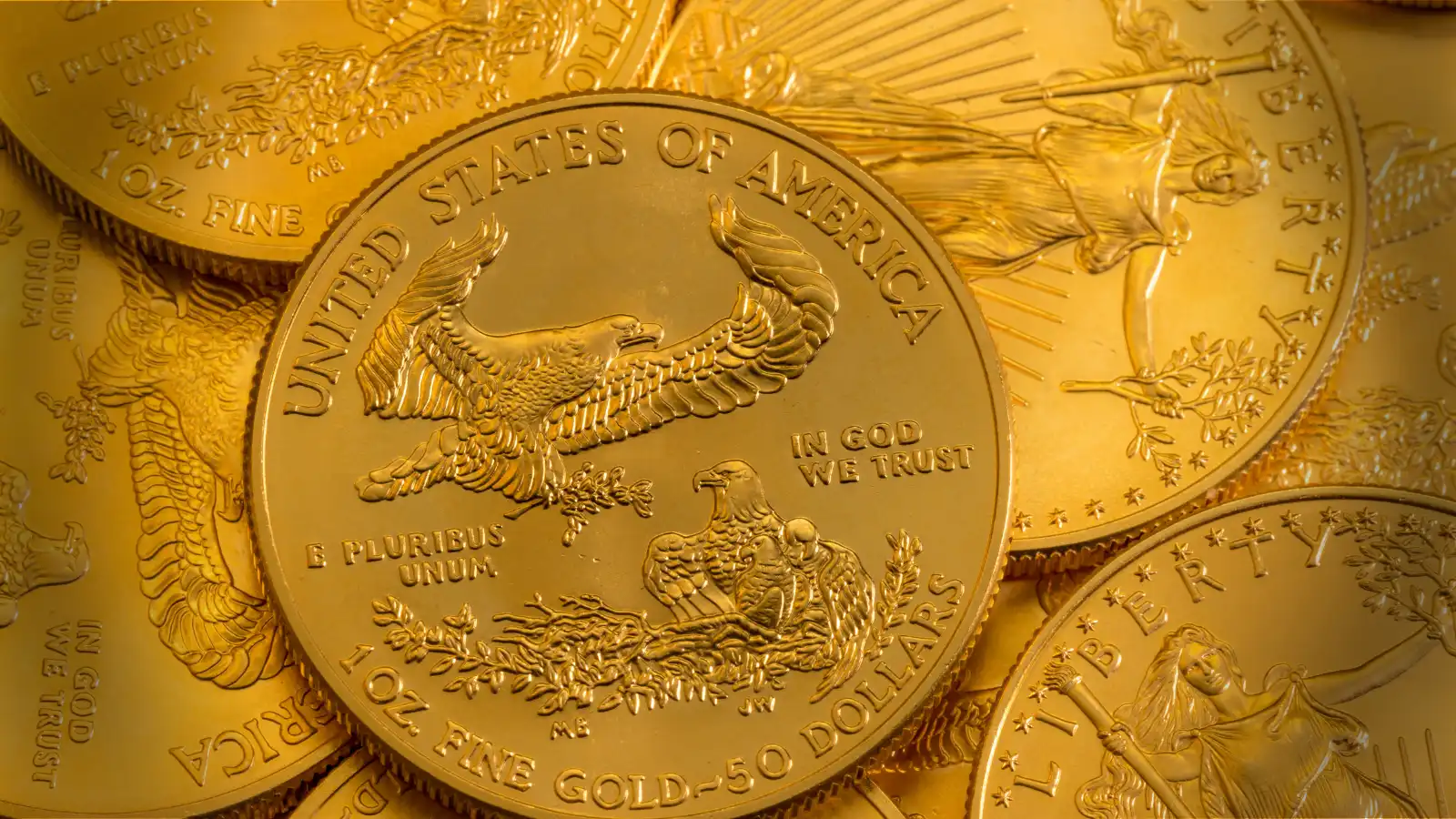
Gold is not just an asset sitting on a screen, it is physical money with a track record spanning five millennia.
When paper currencies eventually inflate into oblivion, tangible gold remains standing because sovereign debt systems cannot print physical elemental mass. Yet when you hold American physical gold in your hand, you quickly realize that not all stamped coins carry equal purchasing weight.
Many inherited-asset sellers assume an old coin is automatically worth a fortune over its raw weight.
Others fall into the common trap of assuming every historical twenty-dollar gold piece contains a full troy ounce of fine gold. The reality of physical precious metals requires a much sharper look at how government minting policies actually work. Read more