Most people discover potential wealth tucked away inside an old dining room sideboard or dusty attic box.
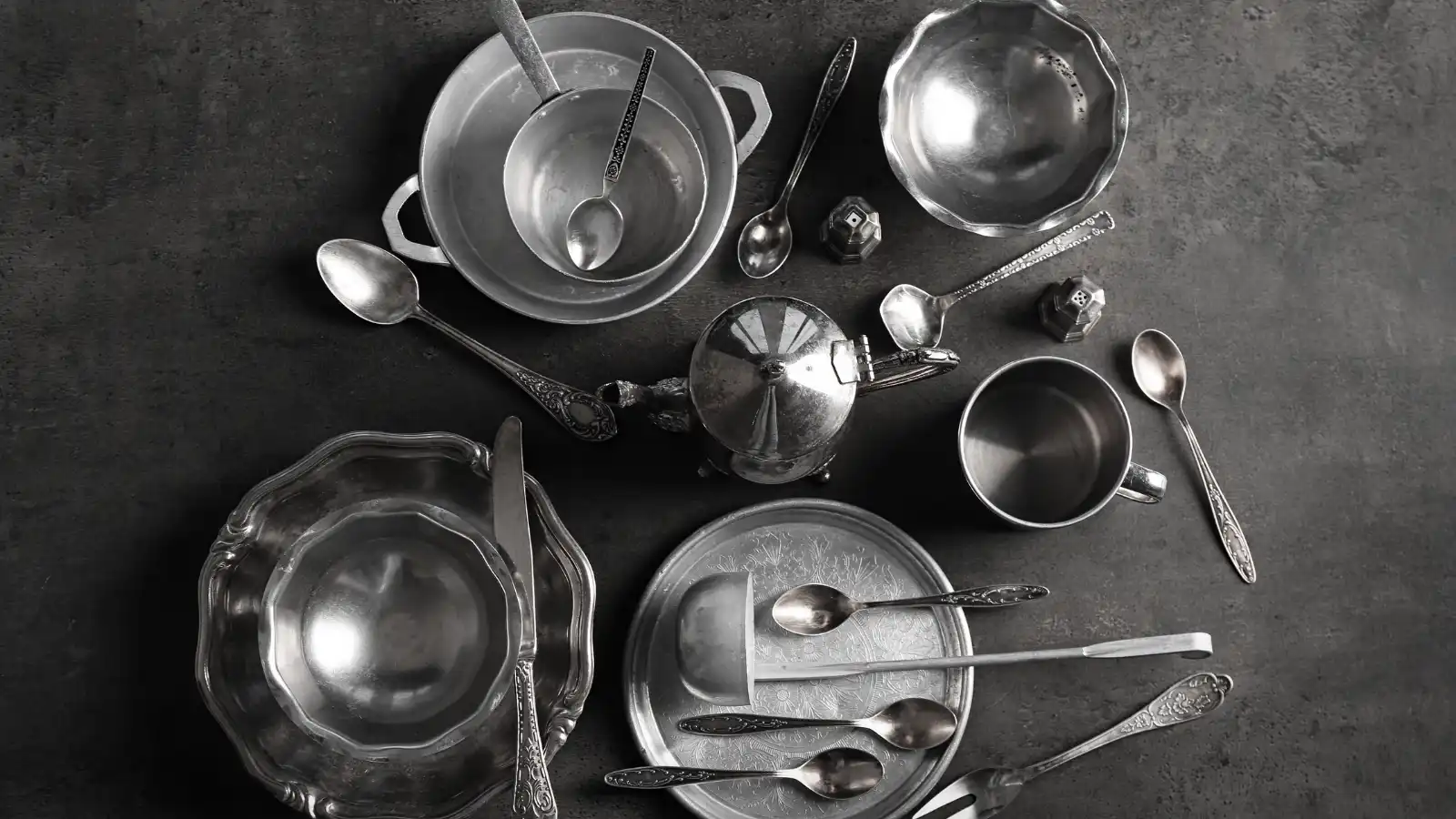
You might be clearing out a family estate, sorting through inherited serving pieces, or browsing a local thrift shop. You find heavy silver dishes resting in the corner, tarnished dark, holding impressive physical weight in your hands. Are these silver serving dishes an undiscovered fortune sitting on your counter, or just worthless pieces of polished decor?
That simple question represents a massive price difference between two completely different types of household items.
Silver plated dishes consist of cheap base metal coated in a microscopic skin of pure silver, carrying scrap value. Solid sterling silver dishes contain genuine precious metal throughout, meaning a single heavy dish can unlock real cash money. One is mass-produced dining decor, while the other represents actual physical silver wealth that trades on global spot markets.
Understanding this difference requires looking back at nineteenth-century industrial history and the rise of mass commercial electroplating.
During the Victorian era, manufacturing factories mastered cheap chemical plating techniques to replicate high-end luxury items for the public. This process allowed everyday consumers to buy shiny silver dishes without spending actual money on scarce precious metals. It saved physical silver bullion reserves for industrial applications, currency backing, and upper-class treasury holdings while flooding markets with illusions.
This diagnostic guide breaks down how to identify sterling silver hallmarks, spot base metal decoys, and secure actual market value. Read more