BUILD YOUR WEALTH LEARN MORE

The Japanese Yen Carry Trade: The $Trillion Debt Engine Driving Global Markets (And How to Protect Your Wealth)

Most investors believe stock markets move based on corporate earnings, economic innovation, and normal consumer demand.

They are completely wrong. The truth is that global stock prices are heavily inflated by massive pipelines of cheap, borrowed foreign debt. On August 5, 2024, a minor quarter-point interest rate hike in Tokyo instantly wiped out over one trillion dollars across global equity markets in under forty-eight hours. Most retail investors stared at their red screens in disbelief, completely unaware that a quiet decision made in Japan could vaporize their domestic retirement accounts overnight.

How could a tiny policy tweak thousands of miles away shatter Wall Street so fast?

The answer lies inside a massive, hidden financial engine known as the Japanese Yen carry trade. The Japanese yen carry trade explained simply is a strategy where institutions borrow Japanese Yen at near zero percent interest rates, convert those funds into U.S. Dollars, and deploy that cash into higher-yielding assets abroad. For decades, this continuous flood of free money helped push tech stocks, real estate, and paper assets to historic highs. But as you will see in this article, borrowing cheap money to buy risky assets works great, until the bill suddenly comes due.

We will break down how this hidden mechanism works, why it triggers sudden flash crashes, and how it directly impacts your personal portfolio.

More importantly, you will discover why owning unencumbered physical precious metals remains your ultimate defense when paper leverage unwinds. Read more »

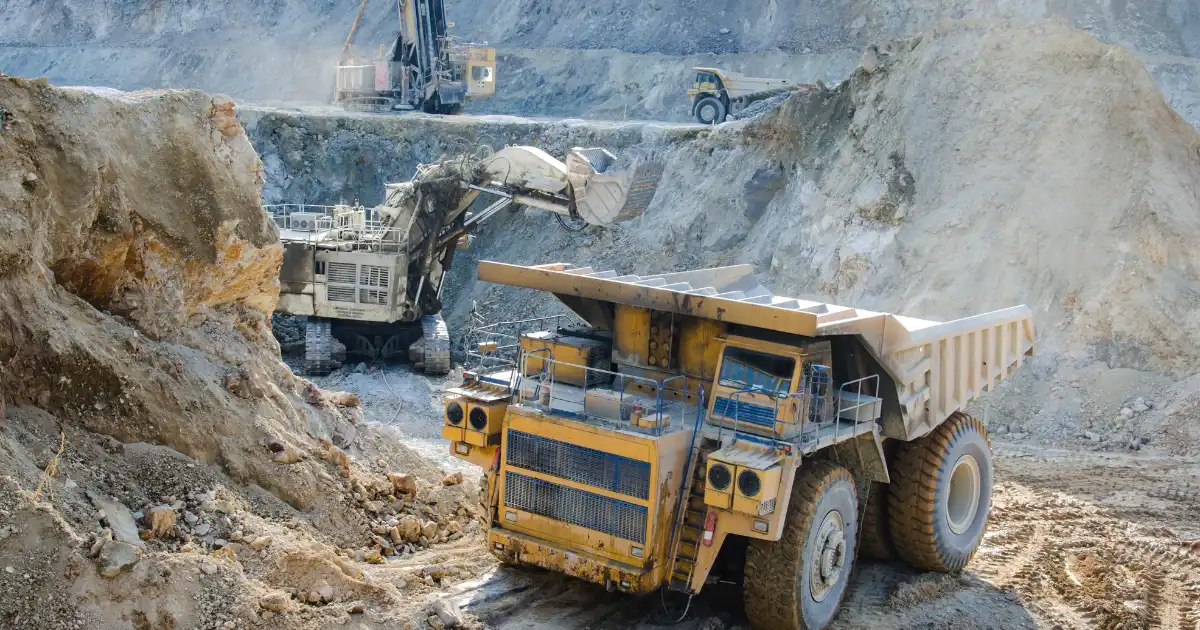
From Scratch to Gold Pour: The 10-to-16-Year Journey of Opening a Precious Metals Mine (And Why Physical Supply Can’t Keep Up)

Every few months, a headline catches your attention about a massive new gold discovery or a promising mining update.

It sounds like the company is on the verge of pouring pure metal, leading most people to wonder: how long does it actually take for a newly discovered dig site to start producing physical gold?

The short answer: globally, it takes 10 to 16+ years, and up to 29 years in bureaucratic jurisdictions like the United States, from initial discovery to the first commercial pour.

While central banks print trillions in paper currency with a single keypress, real metal requires decades of grinding effort.

Understanding this multi-decade gap reveals an uncomfortable truth: physical gold supply is completely inelastic, exposing why paper derivative markets are so leveraged and why recycled metal keeps the financial engine running.

To truly understand why hard money holds its ground against inflation, we have to look behind the headlines and trace the brutal, step-by-step journey of how a gold mine comes into existence. Read more »

Is White Gold Worth More Than Yellow Gold? Retail Value vs. Resale Value

Standing at a retail jewelry counter, you often see two identical 14k gold necklaces.

One glows with traditional warm yellow, while the other shines with a bright, mirror-like white finish. Yet, the white gold piece frequently carries a price tag ten to fifteen percent higher than its yellow twin. The immediate conclusion most people draw is that white gold contains more gold or holds higher intrinsic value.

That conclusion is one of the most expensive misunderstandings in the entire retail jewelry market.

Direct Answer: At retail, white gold costs more due to higher alloy costs, extra manufacturing labor, and protective rhodium electroplating. However, on the secondary market, white gold vs yellow gold resale value is identical for matching karat weights. Gold buyers price both strictly on pure fine gold melt weight.

Most people confuse retail markup with actual secondary market cash value.

This post breaks down that two-part journey. First, we examine why retail jewelry stores charge you a premium for white gold upfront. Then, we reveal how professional scrap gold buyers calculate real cash value when you decide to liquidate your pieces. Read more »

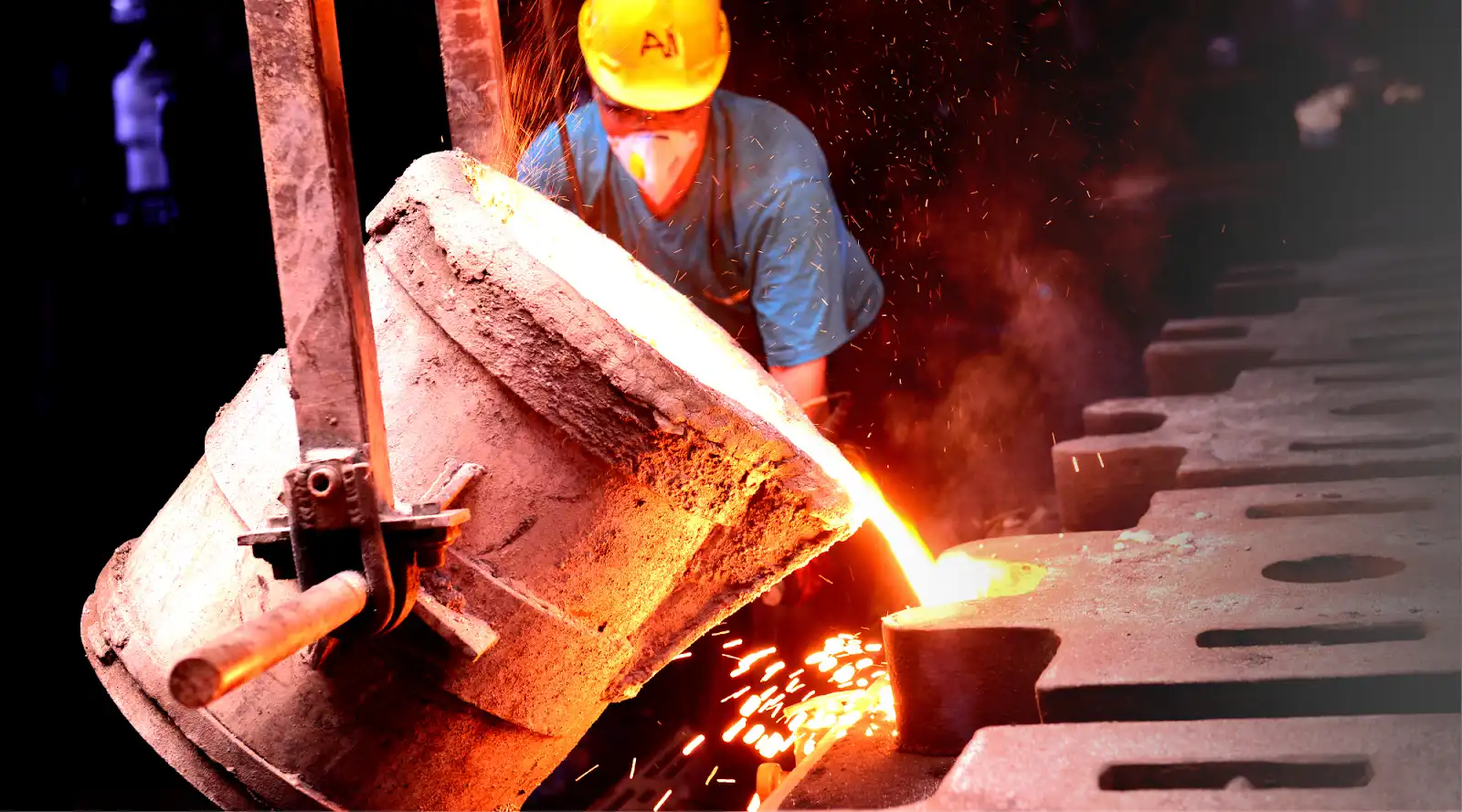
Smelting vs. Refining: What’s the Real Difference?

The material world is built on technical terminology that outsiders easily confuse.

Amateurs constantly make the mistake of using the terms “smelting” and “refining” interchangeably. They assume any industrial process involving extreme heat and glowing, liquid metal is doing the exact same mechanical job.

Industrial manufacturing treats raw materials as finished commodities only after extensive processing.

In reality, physical elements must cross major physical, chemical, and thermal developmental thresholds. If you do not know the difference between extracting a metal and purifying it, you miss the core of metallurgy. You miss how raw geological matter becomes advanced material technology.

Smelting extracts raw, semi-pure metal from bulk material using high heat and chemical fluxes. Refining purifies that extracted metal at an atomic level using acids or electrolysis to achieve specific, high-purity industrial standards.

This article breaks down the exact science of both developmental stages.

You will discover why you cannot use raw material right out of a smelter. More importantly, you will learn the physical realities that separate bulk extraction from atomic isolation. Read more »

Why Do Governments Buy Gold? The Real Reasons Behind Precious Metal Reserves

Governments do not buy gold because they want more “stuff,” they buy it because it behaves like money.

Gold sits in a strange category most people misunderstand. It is not just jewelry, and it is not just an investment asset. It quietly operates as part of the global financial system behind the scenes.

If you want to understand why governments buy gold, and why you might want to as well, you have to understand what they are protecting themselves from. 

Read more »