BUILD YOUR WEALTH LEARN MORE

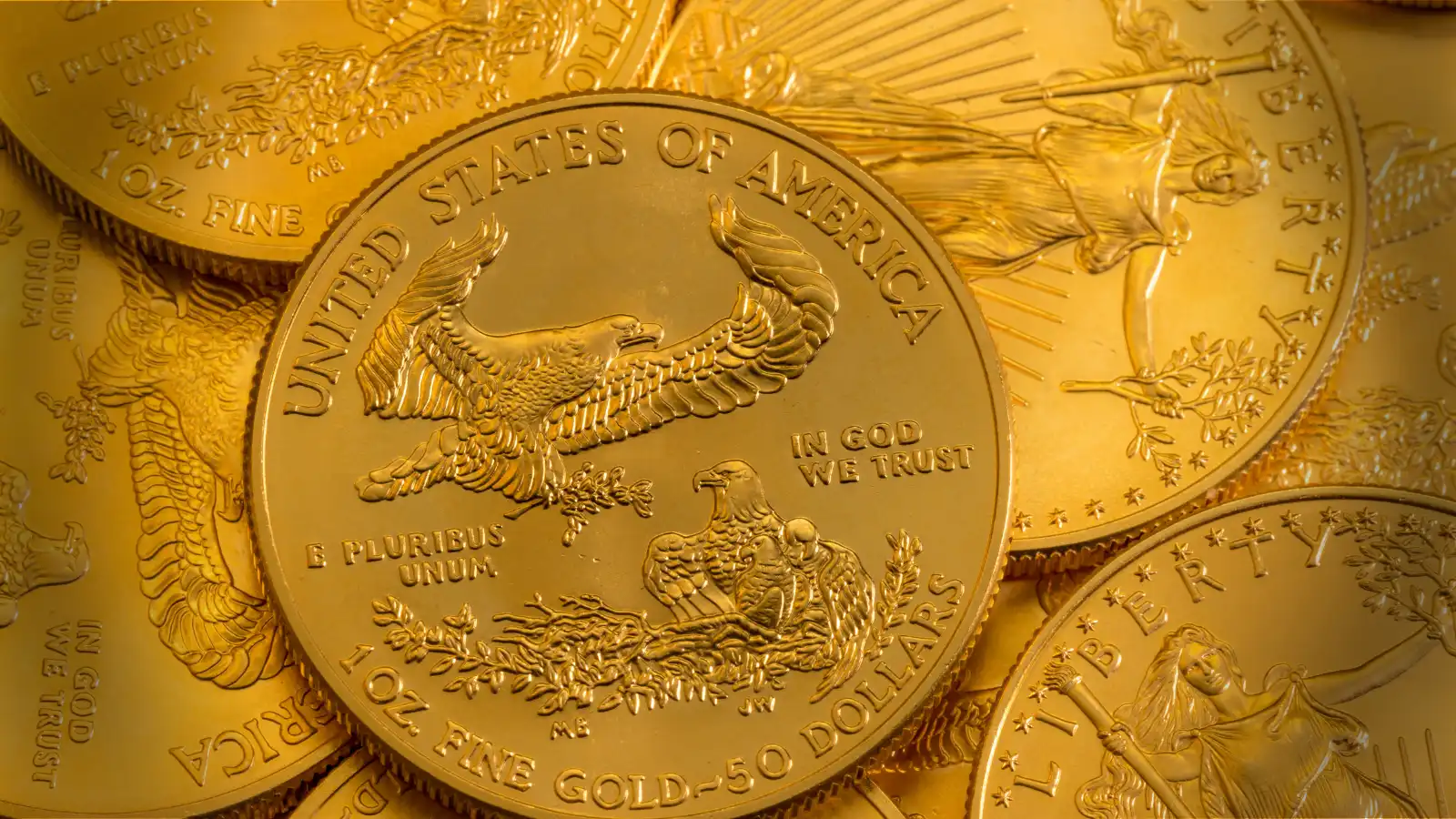
The Complete Guide to US Gold Coins: History, Purity, and Real-World Value

Gold is not just an asset sitting on a screen, it is physical money with a track record spanning five millennia.

When paper currencies eventually inflate into oblivion, tangible gold remains standing because sovereign debt systems cannot print physical elemental mass. Yet when you hold American physical gold in your hand, you quickly realize that not all stamped coins carry equal purchasing weight.

Many inherited-asset sellers assume an old coin is automatically worth a fortune over its raw weight.

Others fall into the common trap of assuming every historical twenty-dollar gold piece contains a full troy ounce of fine gold. The reality of physical precious metals requires a much sharper look at how government minting policies actually work. Read more »
Paper vs. Physical Precious Metals Explained: It’s A Bigger Deal Than Investors Realize

You check the financial app on your phone, see a spot price, and assume that number reflects physical metal.

Behind that single screen number lies a massive global machinery of physical ore extraction, heavy refinery processing, and scrap recycling. Yet the price flashing on your device moves at the speed of microsecond algorithmic trades. It creates a wild disconnect between real metal sitting in vaults and digital contracts changing hands on Wall Street.

Most investors assume screen prices and physical metal values are identical twins, but they are actually distant cousins.

A customer walked into our shop asking a seemingly simple question: “Is it true there are 400 ounces of paper silver for every ounce of real silver?”

He thought it was a simple error on a website or a cheap internet rumor. We pulled up a chair and broke down how exchange vaults, derivative contracts, and high-frequency algorithms actually operate. By the end of our conversation, he looked up and said, “Wow, this is so much more complicated, and systemic, than I ever realized.”

That single conversation on our floor is the exact reason we decided to write this comprehensive guide.

The daily spot price on Wall Street tickers is not the price of physical gold or silver.

It is merely the price of a digital paper contract operating within a fractional-reserve financial system. Read more »

Gold vs. Government Bonds: Which Asset Protects Your Wealth Better?

Wall Street headlines are currently buzzing with news of the U.S. 30-year Treasury yield surging past 5.3%.

For traditional investors taught to follow textbook financial logic, a “guaranteed” 5.3% annual return feels like an absolute gift. It looks clean, simple, and safe on paper. Mainstream advisors are quickly rushing to tell their clients that risk-free yield has finally returned to the market.

Is lending your hard-earned money to an over-indebted sovereign government actually risk-free today? Or is this high nominal yield a massive trap designed to hide severe purchasing power destruction? Read more »

Investing In Gold vs. Silver: A Complete Guide for the Common Investor

Not sure whether you should be investing in gold or silver?

Gold and silver have protected wealth for thousands of years, but they’re not the same metal, and they’re not the same investment.

One is steady, defensive, and backed by central banks. The other is volatile, industrial, and full of speculative upside. Most people ask, “Should I buy gold or silver?” without realizing the real question being, “What am I trying to accomplish?”

This guide gives you the full picture.

We’ll cover the key differences, which metal fits your goals, how much to own, how to use the gold-to-silver ratio, and the mistakes that cost beginners thousands. Whether you’re here to preserve wealth or chase growth, this guide will help you figure out your course of action! Read more »

Gold vs Real Estate: Are Houses Actually Expensive, or is the Dollar Dying?

The modern housing market feels entirely broken.

In 2026, severe housing market inflation has made buying a home feel mathematically impossible for most families. You work harder, save more, yet the cost of property keeps drifting further out of reach. It feels like an inescapable trap.

What if home prices haven’t actually gone up at all?

This article breaks down the reality of fiat currency debasement and how it distorts your view of wealth. We will contrast real estate wealth preservation against the purchasing power of gold using eighty years of data. You will see how a shrinking dollar makes assets look expensive, while hard money remains perfectly stable.

Let’s look at the actual math. Read more »