The Shiny Truth Behind Precious Metals’ Value
Everyone says money makes the world go round.
But for 5,000 years, it was gold doing the spinning.
Gold isn’t just a shiny rock your grandma wore—it’s a survivor. A stubborn relic that’s outlasted kings, currencies, and credit cards.
Digital assets flare and fade. Paper money gets printed into oblivion. But gold, silver, platinum, and palladium? They sit there quietly—accumulating trust.
Maybe you’ve found a tangle of chains and rings in an attic and wondered, “Is this just decoration, or something deeper?”
That question isn’t new. Every generation has asked it, because every generation is reminded that value doesn’t come from fashion—it comes from fundamentals.
Precious metals aren’t hype. They’re physics, history, and psychology melted together.
Here’s why they still matter.
Rarity — The Value of the Hard-to-Find
Gold isn’t scarce by accident—it’s scarce by nature. It makes up roughly four parts per billion of Earth’s crust.
That’s like finding four golden grains of sand in an entire desert.
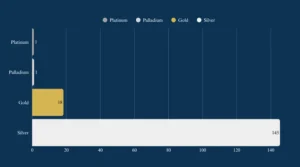
Platinum goes even further: fifteen to thirty times rarer than gold. Entire crews can spend months scraping rock layers only to pull out enough metal to fill a coffee mug.
Silver? Slightly more common, but far more useful. It hides in your phone, your solar panels, your jewelry box—its utility gives it staying power.
If you melted every ounce of gold humans have ever found, it would fill about three Olympic swimming pools.
All the platinum ever mined could fit comfortably in a living room.
That’s not abundance. That’s exclusivity.
And that’s why it works as money. You can’t print more gold. You can’t “update” it like an app.
Its supply stays limited—and limited things are the only ones humans have ever agreed to value forever.
Here’s the catch: rarity explains the foundation, but not the full story. The other half is how these metals behave once you hold them.
Physical Properties — Durable, Beautiful, and Useful
There’s a reason we obsess over these elements. They’re strong, yet soft. Beautiful, yet practical.
Gold is malleable—one ounce can stretch into a thread longer than a football field—but it doesn’t corrode, rust, or fade. Pick up a gold coin and it feels different: heavy, dense, eternal. It’s 19.32 grams of confidence per cubic centimeter.
Silver is trickier. It tarnishes but doesn’t disappear—its surface simply evolves. Like aged leather or weathered oak, it wears its history well. It’s also the most conductive material on Earth. Every phone call, every light switch, every solar cell owes something to silver. It’s this industrial power that drives much of silver’s price, because even if the price of silver doubles or triples, until there’s a suitable alternative, manufacturers will keep paying for it.
Then there’s platinum and palladium—the workhorses of modern industry. Denser than gold, harder than steel, these metals refuse to quit. Your car’s catalytic converter? Powered by them. The reason the air you breathe is cleaner? Courtesy of platinum-group metals quietly doing their job.
Every gold coin whispers the same story: value that never needed permission.
Every ounce of silver hums with electricity—the quiet energy of utility meeting beauty.
We pay attention to what lasts. And few things last quite like this.
But durability isn’t the only reason humans fell in love with gold and silver. They didn’t just endure—they became money.

Historical and Monetary Significance — Humanity’s First Trusted Currency
Picture a marketplace in ancient Lydia, around 600 BCE. The air smells of spices and smoke. Traders weigh electrum coins—a natural gold-silver mix—each stamped and trusted.
That moment marked the birth of currency.
Egyptians buried gold with their pharaohs. The Greeks minted silver owls to celebrate commerce and democracy. Rome paid soldiers in gold aurei and citizens in silver denarii, coins stamped with emperors’ faces to remind them which empire guaranteed their worth.
Precious metals built entire economies.
They didn’t just represent value—they were value.
Fast-forward: the “pound” was once a literal pound of silver. The gold standard tied entire nations’ currencies to the weight of a metal buried underground.
Empires fell. Languages changed. But gold and silver never stopped being trusted.
That’s not nostalgia—it’s memory. Humanity remembers what worked.
And to this day, investors still turn to metals for the same reason traders did 2,500 years ago: stability.
The idea may sound ancient, but it works for anyone watching digital dollars lose their edge.
Liquidity and Market Demand — Tangible, Tradeable, Everywhere
Here’s what beginners often miss: physical metals are nearly as liquid as stocks or crypto.
Walk into a gold shop in Minneapolis, Madrid, or Mumbai with a one-ounce coin. You’ll walk out with cash.
Walk in with well-known silver rounds or platinum bars, and you’ll likely get a fair market price on the spot.
That’s tangible liquidity—wealth that doesn’t need an app, a password, or a Wi-Fi signal.
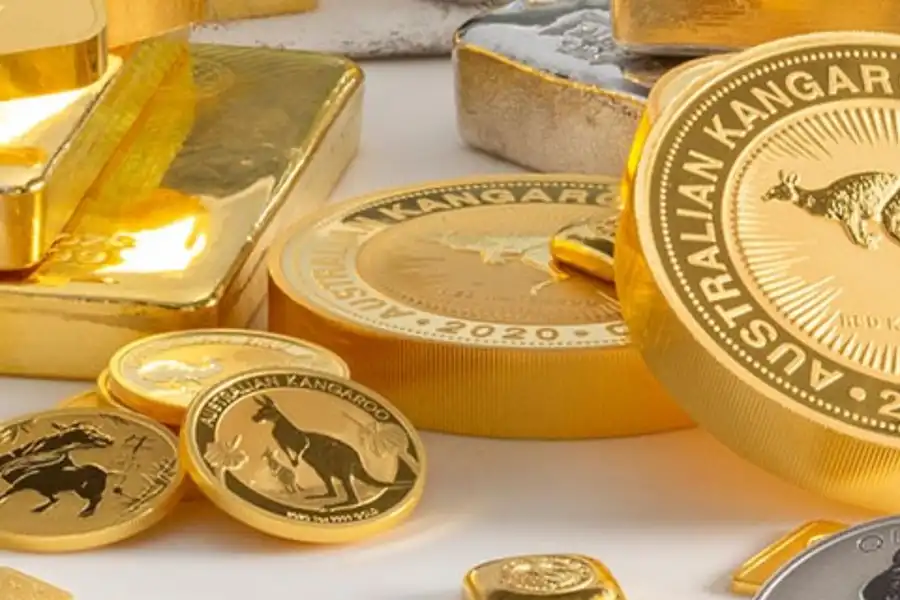
Globally recognized bullion—think American Gold Eagles, Canadian Maple Leafs, or Perth Mint bars—acts like a universal passport. Dealers recognize their purity instantly and quote prices near real-time market rates.
The tighter the bid-ask spread, the better for you. Recognized products trade efficiently, while obscure ones lose margin to doubt.
And if you’d rather avoid the trip? Trusted companies like The Gold Guys make it easy. With secure mail-in gold kits, you can sell jewelry or coins from your home and get paid quickly, transparently, and fairly.
That’s liquidity you can literally hold in your hand.
Secure Your Wealth with Precious Metals Today
Gold doesn’t need Wi-Fi.
Silver doesn’t crash when the market does.
Platinum and palladium don’t rise because of speculation—they rise because industry demands them.
When inflation burns, metals endure. When markets spiral, they stabilize.
Owning them isn’t about trend-chasing. It’s about independence.
It’s wealth that doesn’t vanish when zeros move on a screen.
If you’re ready to add physical bullion to your long-term strategy, visit goldguysbullion.com. You’ll find fair pricing, transparent transactions, and experts who actually understand what these metals mean.
Empires fell. Currencies collapsed. Technologies faded.
Gold’s still here—quietly remembering it was here first.
Frequently Asked Questions About Precious Metals Investing
What makes precious metals a good investment for beginners?
They’re tangible, resilient, and inflation-resistant. When stocks dive or currencies weaken, metals hold their line. Perfect for building trust and balance into a portfolio.
Should I buy physical metals or invest through ETFs and mining stocks?
ETFs trade faster, but physical metals are real assets you control. If you want certainty, not exposure, start with physical bullion.
How do I know if I’m buying authentic metals?
Stick with verified dealers. Look for government-minted or certified private-mint products that include purity guarantees. If the deal looks too good—it probably isn’t gold.
Are all metals equally valuable?
No. Gold is global trust. Silver is volatile but versatile. Platinum and palladium trade on industrial growth cycles and scarcity. Each plays a different role in a balanced portfolio.
Can I sell my metals easily?
Absolutely. Precious metals are among the most liquid physical assets worldwide. Recognized coins and bars resell quickly at near-spot prices.
How much should I allocate?
Financial advisors often suggest 5–15% of your portfolio. Enough to protect—but not constrain—growth.
What’s the best way to get started?
Start small, start smart. Research reputable dealers, buy recognizable products, and store them safely. With time, you’ll build both experience and weight in your portfolio.