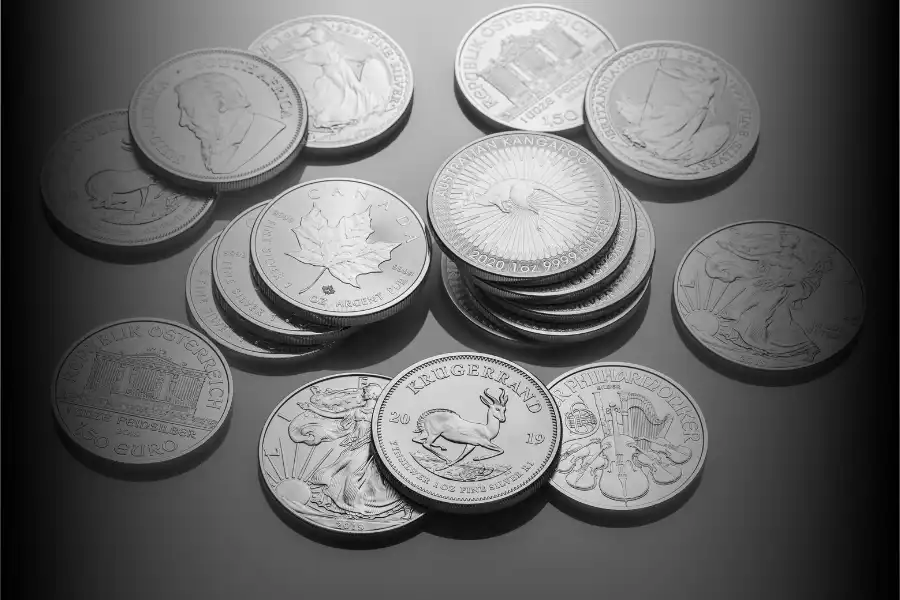
Most people assume 9999 bullion is worth more than 999 bullion.
That assumption feels logical on the surface. More purity should mean more value, right? But the market doesn’t reward purity the way most expect.
Bullion purity tells you what’s inside, not what someone will pay.
What Bullion Purity Means
Bullion purity is a measurement, not a price tag.
In the precious metals world, purity is expressed as fineness. A 999 fine gold product is 99.9% pure gold. A 9999 fine gold product is 99.99% pure gold.
That extra “9” sounds significant, but the gap is razor thin.
In practical terms, both are considered investment-grade bullion. The difference exists, but it lives in fractions of a percent. Yet marketing often magnifies that fraction into something larger.
This is where confusion begins.
Purity explains composition, not market behavior.
What Fine Weight Means
Fine weight is the number that actually drives bullion value.
Fine weight refers to the amount of pure precious metal in a product. Gross weight includes everything, including trace alloys or other metals. This is where “gross weight vs fine weight” becomes critical to understand.
A one-ounce coin does not always contain one ounce of pure gold. Some coins are mixed with small amounts of other metals for durability. What matters is how much of that weight is pure metal. Dealers base pricing on this number, not total weight. Two items with identical gross weight can have slightly different fine weight.
Here’s a simple comparison that makes this real.
- A 1 oz 999 gold coin contains 0.999 oz of pure gold.
- A 1 oz 9999 gold coin contains 0.9999 oz of pure gold.
The difference is just 0.0009 oz.
At a $2,000 gold price, that’s less than $2 difference.
Weight multiplied by purity equals fine metal content.
How Bullion Is Actually Priced
Understanding how bullion is priced changes how you buy and sell.
The foundation is the spot price. This is the global market price for raw gold or silver. It moves constantly based on supply, demand, and macro forces.
But you never pay just the spot price.
On top of spot comes the premium.
This includes…
- Mining
- Refining
- Minting
- Logistics and distribution
- Dealer margins
- Product demand
- etc.
Some products carry higher premiums because buyers trust them more. Others stay cheaper because they are less recognizable. Premiums expand when demand surges and compress when markets cool.
Here’s the simple formula most dealers use:
Bullion Value ≈ (Spot Price × Fine Weight) + Premium
The first part is objective.
The second part is where psychology and market behavior take over.

Does Higher Purity Mean Higher Value?
This is the question most people really want answered.
Higher purity does mean slightly more gold per ounce. But that difference is often too small to drive resale value. Markets reward liquidity, not perfection.
A powerful example makes this clear.
- The 1 oz gold Canadian Maple Leaf is 9999 fine gold.
- The 1 oz gold American Eagle is only 91.67% pure, or 22k gold.
Yet the American Eagle often sells for more in real markets.
Why?
Because the American Eagle is one of the most recognized bullion coins in the world.
Dealers trust it, buyers trust it, and it moves quickly. That liquidity creates stronger pricing than a slightly purer coin. The Maple Leaf is still highly respected, but recognition varies by market. Ease of resale often outweighs microscopic purity advantages.
This is where expectations break.
Higher purity does not guarantee higher bullion resale value.
When Purity Matters Most
There are environments where purity becomes the main driver.
Large institutional trades operate on precision. Refineries and wholesalers care about exact metal content. At scale, small differences add up quickly.
Large bars are priced almost entirely on melt value.
These transactions focus on chemical composition, not branding. The metal is often melted and recast anyway. Spreads are tight, and emotion plays almost no role. Everything revolves around measurable content.
This is a different market entirely.
For most retail investors, purity is only part of the equation.
When Recognition Matters More

In everyday buying and selling, recognition carries real weight.
Recognizable products reduce hesitation during resale. Buyers don’t need to question authenticity as much. That confidence translates into smoother transactions.
Government-issued coins tend to dominate here.
Established mints build long-term trust in the market.
- Condition
- Packaging
- Design
All reinforce that trust.
Even small differences in familiarity can affect pricing. Liquidity becomes a hidden advantage over time.
This is why two similar products can behave very differently.
Trust moves markets faster than purity ever will.
Common Bullion Misconceptions
A few persistent myths continue to mislead new investors.
One is that the purest bullion is always the most valuable. This idea sticks because higher numbers feel better psychologically. Marketing often reinforces this belief without context.
Another myth is that all bullion trades at melt value. In reality, most products trade above melt value due to premiums. Those premiums can shrink or expand depending on demand.
There is also confusion around fine weight vs gross weight. They are not the same, and mixing them leads to pricing errors. Purity alone does not determine what you will be paid.
These misconceptions are common for a reason.
They sound simple, but the market is not.
Practical Buyer Takeaways
The right approach depends on what you actually want from bullion.
- If your goal is metal content, focus on fine weight first.
- If your goal is resale, prioritize recognition and liquidity.
- If your goal is minimizing cost, compare premiums carefully.
For long-term holding, consistency matters more than chasing purity. Choose investment-grade bullion with clear markings and strong demand. Avoid overpaying for small increases in fineness. Think about how easy the product will be to sell later.
You are not just buying gold or silver.
You are buying future flexibility.
Frequently Asked Questions
What does 999 fine mean?
It means the product is 99.9% pure precious metal.
The remaining fraction may include trace elements from refining. This standard is widely accepted in global markets. It qualifies as investment-grade bullion.
For most investors, 999 fine is more than sufficient.
What does 9999 fine mean?
It means the product is 99.99% pure precious metal.
This is often called “four nines fine.” It represents a higher level of refinement. Some mints specialize in achieving this purity.
The difference exists, but it is small in practical terms.
Is 9999 gold worth more than 999 gold?
Not automatically, despite what many assume.
It does contain slightly more pure gold per ounce. But market pricing depends on premiums, demand, and liquidity. A more recognizable 999 product can outperform a 9999 product.
Value is determined by the market, not just the specification.
What is fine weight in precious metals?
Fine weight is the amount of pure metal in a bullion product.
It is calculated by multiplying total weight by purity. This number determines melt value.
Fine weight is the foundation of bullion pricing.
Does bullion always sell at melt value?
No, and this is where many sellers get surprised.
Most bullion dealers sell bullion above melt value due to premiums. These premiums reflect manufacturing, branding, and demand.
When bullion dealers are buying bullion from the public, depending on what the market for your specific item is, they’ll likely offer less than melt value for most items. There are some items that dealer will buy for more than the melt value.