
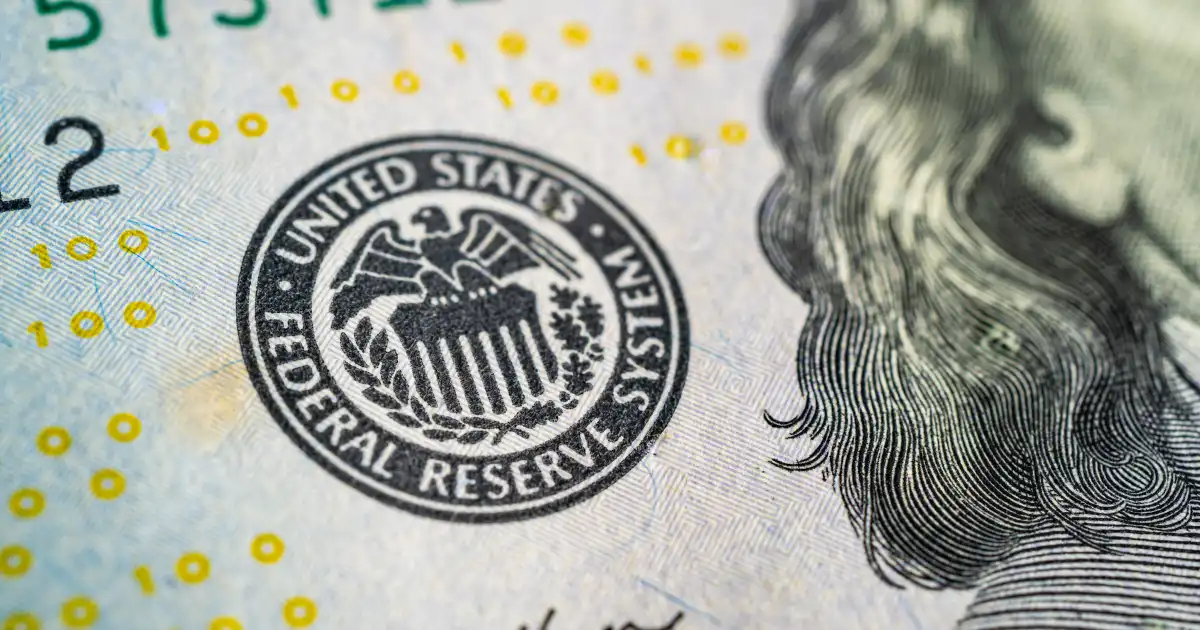
When you pull a crisp green bill out of your wallet, take a close look at the top line.
It doesn’t say United States Treasury Note, nor does it guarantee you real silver or gold. It says “Federal Reserve Note,” which means every dollar you spend relies on a paper promise from a bank system. Have you ever wondered who controls that money, where it comes from, or why it buys less every single year?
What is the Federal Reserve System? The Federal Reserve is the central bank of the United States, created by Congress in 1913 to control the money supply. While its main Board of Governors is picked by the President, its 12 regional banks are owned by private local banks. It changes interest rates and prints digital money, which slowly lowers the value of your paper cash.
Most school textbooks teach a soft story about a helpful government office that stops bad money problems.
The real story is different: central banks run on debt, make paper money out of nothing, and slowly steal the value of your hard work.
This simple guide exposes the secret 1910 meeting on Jekyll Island, explains who really owns the Fed, shows how money printing creates a debt spiral, and reveals why real gold protects your savings.
Is the Federal Reserve a Government Agency or a Private Bank?
The way the Federal Reserve is built is a big trick that confuses most everyday people.
It uses two parts to look like a government office while letting private banks run the show inside. At the top sits a seven-person board in Washington D.C., picked by the President and approved by the Senate. But under that public front, the 12 main regional Fed banks actually run as private companies.
If you want to know who really owns the Federal Reserve, you just have to look at the stock.
Regular commercial banks in each area own 100 percent of the stock in their regional Federal Reserve Bank. These private banks get a fixed 6 percent payout on their stock every year, and they pick six of the nine bosses for their regional bank.
The story that the Fed is just a public helper working for regular people falls apart when you look closely.
The central bank gets no money from Congress and pays all its own bills using interest from government bonds and bank loans. It makes huge rules for money, changes interest rates, and moves billions of dollars without letting Congress check its daily work.
The Creature from Jekyll Island: How Central Banking Was Hatched in Secret
The old story that the Fed was created to save regular people from money panics gets the facts upside down.
After a giant money panic in 1907, big Wall Street banks needed a way to protect their risky lending habits. They knew that without a giant helper to save them, bad loans would keep causing bank runs and closing their doors for good.
In November 1910, a secret meeting took place that changed the world of money forever.
Six men who controlled giant piles of money met in secret at a private club on Jekyll Island off the coast of Georgia. The group included Senator Nelson Aldrich, Treasury leader A. Piatt Andrew, J.P. Morgan partner Henry Davison, big bank president Frank Vanderlip, and money expert Paul Warburg.
The sneaky plan they used to hide this meeting sounds like a movie story.
To keep reporters from finding out, these powerful men rode across the country in a private train car using only their first names. They called themselves the “First-Name Club” so even the workers making their food wouldn’t learn who they were.
As writer G. Edward Griffin showed in his book about the meeting, the group had three main goals.
First, they wanted to stop new, growing banks in the West and South from taking away their customers. Second, they wanted the government to step in and save big banks whenever their risky deals went bad. Third, they wanted to stop using real gold backing so they could make endless paper loans and collect interest on the debt.
The trick was turning this big bank plan into something that looked like a helpful law for the public.
After people got angry at the first plan, the bankers quietly put the same ideas into a new bill under President Woodrow Wilson. They pushed the Federal Reserve Act through a tired Congress on December 23, 1913, late at night right before the Christmas holiday.
From Gold Backing to Digital Currency: How the Fed Controls Money Today
The money system set up in 1913 looks nothing like the paper system we use today.
When the Fed first opened, the law said every paper dollar had to be backed by at least 40 percent real gold in a vault. Today, that gold backing is zero percent after President Nixon cut the last link between paper dollars and gold back in 1971.
The simple rules made to keep banks from printing too much money are all gone.
For a long time, banks had to keep a piece of every customer deposit safe in their vaults to handle cash pickups. In March 2020, the Federal Reserve dropped that rule to zero percent, letting banks lend out money with almost no limits at all.
The central bank controls the flow of money using two main tools of power.
First, a group called the FOMC sets the main interest rate, which changes the price of borrowing money for every person and business in the country. Second, through a plan called Quantitative Easing, the Fed creates digital dollars out of nowhere to buy government bonds and boost bank balances.
Making all this extra paper and digital money acts like a hidden tax on your personal savings.
When central banks flood the market with new dollars while the amount of real food and goods stays the same, store prices go up. This endless money printing is why the U.S. dollar has lost over 96 percent of its buying power since the Fed opened in 1913.
You can see how paper money loses value by looking at how real metal holds its power.
In 1913, a $20 gold coin and a $20 paper bill could both buy a very nice custom suit. Today, a $20 paper bill will barely buy a fast-food meal, but that same old $20 gold coin will still buy a top-quality suit.

The Fiat Death Spiral: Why Money Printing Can Never Stop
The biggest secret of the bank system is that interest money is never printed when a loan is made.
When a bank lends you money, it creates the original loan amount out of thin air, but it doesn’t print the extra money needed to pay the interest. This creates a big math problem because there are never enough dollars in the world to pay back all the loans plus the interest. To get the extra cash to pay old interest, someone else has to take out a new loan tomorrow.
This missing interest money forces the entire country into an endless debt loop.
If people stop taking out new loans, there won’t be enough dollars around for everyone to pay their debts. When that happens, people who can’t find cash go broke, and banks take away their real homes, land, and cars. While hard work and new technology build real goods, interest grows much faster than humans can work, meaning debt always wins in the end.
This trap creates an endless cycle where central banks are forced to print more cash forever.
If the Fed stops printing money or keeps interest rates high, the whole cash system runs out of money very fast. Without new dollars coming in, businesses go broke and the money supply shrinks in a painful collapse. To stop this crash, central banks always choose to print more cash to pay off old bills, even though it ruins paper money.
In the end, the government spends more money paying interest than it collects in regular taxes.
When this happens, the government has to borrow new money just to pay the interest on its old debt. The Fed is then forced to print endless dollars to buy government bonds and keep the whole system from crashing down. This endless cycle destroys what your cash can buy, leaving paper savings almost worthless over time.

Hard Money vs. Central Bank Paper: Protecting Your Real Wealth
Keeping all your money in paper cash leaves your savings open to bad decisions by government leaders and banks.
Cash sitting in a basic bank account loses its buying power month after month as more money gets printed. Digital numbers on a bank screen also depend on the bank staying open, which means your money could get locked up during a panic.
Physical gold and silver act as a strong shield against a falling paper money system.
Gold and silver are real objects from that no bank committee can ever print out of thin air. When you hold real metal in your hands, you own a clear asset that doesn’t depend on a bank promise or a government sign.
Keeping your money safe takes two simple steps with real precious metals.
Buying pure gold and silver coins or bars lets you swap weak paper dollars into real wealth that lasts for years. At the same time, selling old gold jewelry, broken silver, or extra items lying around your house gives you quick cash to buy real bullion.
Taking Control of Your Financial Future
The Federal Reserve system was created by big bankers to control money, save failing banks, and print endless paper debt that hurts regular savers. As central banks keep printing more money every day, paper dollars buy less, making real physical metal your best defense for the future.
You can protect your hard-earned money today by taking these simple steps:
- Buy Real Gold & Silver: Visit goldguysbullion.com to pick out real gold and silver bullion shipped safely to your home.
- Turn Scrap Into Cash: Visit a Gold Guys store or request a safe Mail-In Kit today to turn old jewelry into real cash.
Frequently Asked Questions
Is the Federal Reserve owned by the U.S. government?
No. The main Board of Governors is picked by the President, but the 12 regional Federal Reserve banks are private companies owned by local member banks.
What was the secret meeting at Jekyll Island in 1910?
In November 1910, Senator Nelson Aldrich met in secret with big Wall Street bank leaders at a private club in Georgia. They wrote the main plan that became the Federal Reserve law in 1913.
Does the Federal Reserve print physical paper money?
No. The paper bills are printed by the Bureau of Engraving and Printing, which is part of the U.S. Treasury. But the Fed decides how much money gets used and makes digital money for big banks.
How does the Fed cause high prices and inflation?
When the Fed cuts interest rates or creates new digital money, it grows the total supply of cash. When there is more money chasing the same amount of goods, the value of each dollar goes down and prices go up.
Why is physical gold a good shield against the Federal Reserve?
Paper dollars can be printed without limit by central banks, which makes them lose value over time. Physical gold is a limited metal that can’t be printed on demand, helping it keep its value for many years.
