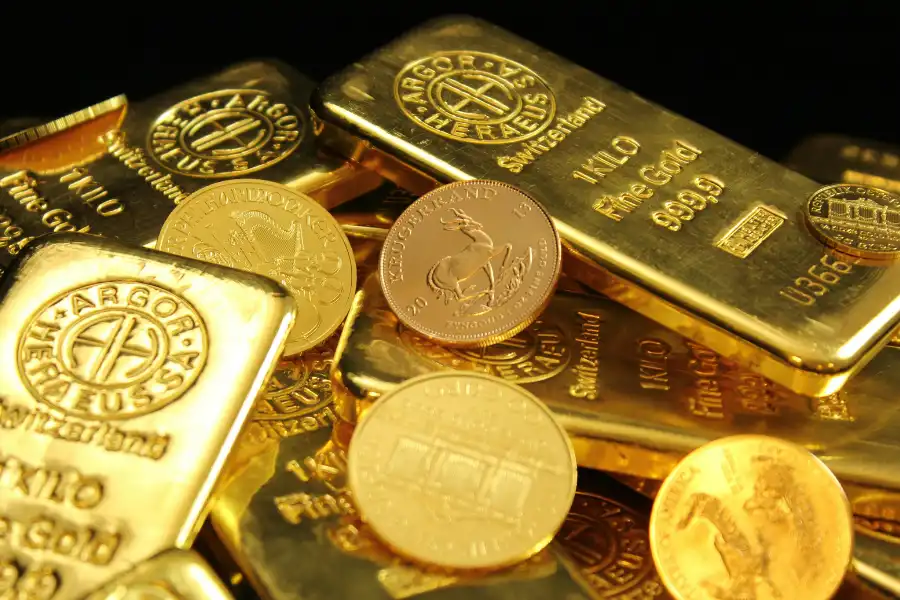
Walk into any precious metals counter, and the first choice you face is sovereign coins or private bars and rounds.
The debate between the two goes far beyond which looks better sitting in the back of a heavy floor safe. Most investors enter the market wanting to “buy gold” or “buy silver“, but realize they’re actually buying a brand. That brand, whether it is a national government or a private refinery, dictates the entry price, the exit strategy, and the ultimate profit margin of your stack.
Real-world economics, supply, demand, and liquidity matter more than the face value stamped on the metal.
Understanding the Source

You have to understand exactly who is melting your metal before you hand over a single dollar.
Government mints, like the U.S. Mint or the Royal Canadian Mint, produce sovereign coins that carry a legal tender face value. This doesn’t mean you’ll spend a gold Eagle like a $50 coin at the grocery store, but it does mean the state guarantees the weight and purity. These institutions operate under strict legislative mandates, ensuring that every coin is a recognized instrument of the issuing nation’s treasury.
It is a level of trust backed by a flag and a military.
Private mints like Sunshine Mint, Scottsdale Mint, or PAMP Suisse operate on a completely different business model focused on industrial efficiency.
These independent companies produce rounds and bars that prioritize the intrinsic value (or aesthetic appeal) of the precious metal over any legal tender status. Their reputation is built on corporate history, assay standards, and often accreditation from the London Bullion Market Association (LBMA). While they lack a government seal, they offer the same .999+ purity levels found in the most expensive sovereign products.
The metal is the same, but the pedigree is different.
I recently stood at an assay desk while a customer laid out a vintage Engelhard bar next to a modern American Silver Eagle.
He was confused why the “old” private bar felt like a piece of history while the Eagle felt like a piece of currency. The Eagle was pristine and uniform, carrying the weight of the U.S. government, while the Engelhard bar carried the “cool factor” of a legendary, defunct refiner. Collectors treat these items with different levels of reverence, yet both were destined for the same melting pot if the price was right.
Recognition is the currency of the precious metals world.
The Premium Breakdown: Where Your Money Goes

The price you pay above the “spot” market price is known as the premium, and it accounts for the cost of mining, refining, minting, shipping, demand, and distributing your bullion.
Sovereign coins like the American Eagle command significantly higher premiums because you are paying for manufacturing complexity and the legal tender status. Governments do not run lean operations; they have massive overhead and strict anti-counterfeiting measures, such as the micro-engraving found on Canadian Maple Leafs. You are essentially paying a “trust tax” to ensure that any dealer in the world will recognize your coin instantly.
It is the most expensive way to own an ounce of silver.
Private refiners, by contrast, run much leaner production schedules and focus on high-volume output for the physical market.
Because they aren’t producing legal tender, they can skip the legislative red tape and pass those savings directly to the buyer. Private bars and rounds (usually) carry much lower premiums, which means you can walk away with more physical ounces for the exact same investment. If your goal is simply to hoard as much raw material as possible, the private route is (usually) the most efficient path.
Efficiency is the enemy of the high-premium sovereign coin.
That said, in hot markets where the price of gold and silver move quickly, premium prices can also be affected. Usually dropping as the price of metals spikes, or jumping when the price of metals tanks. While that’s not always the case, it’s a fairly common trend.
Also, when it comes to pricing your metals, you’re not just looking at the value of the metal and the premium, you also have to consider where you’re buying and selling and the taxes that might be associated with it.

The Math of Taxes and Liquidity
Your local government often has a say in which type of bullion is the “better” deal for your wallet.
In states like Minnesota, the tax code is surprisingly friendly to the serious stacker, if you know where to look. Bars and rounds of 99.9% purity are generally exempt from sales tax, putting them on a level playing field with other financial assets. This means you aren’t losing 7% or 8% of your purchasing power to the state the moment you walk out the door. HOWEVER, government minted coins DON’T fall in the same category, and do have sales tax.
Local regulations can make or break your annual return.
Gold and silver eagles are some of the most popular precious metal investments there are, but if you’re paying an extra 7% to 8%, on top of a premium, you might be better off buying bars or rounds that aren’t taxed and will sell for nearly as much as the coins would.
It’s worth looking into your local tax laws to see how precious metals are handled before deciding what you’re going to invest in.
Weighing Your Goals: Which Should You Choose?
The “right” choice depends entirely on why you are holding physical metal in the first place.
Choose government mints if you prioritize instant recognition and want the highest tier of liquidity for a potential exit strategy. If you believe the global financial system is heading toward a period of extreme distrust, the government seal provides an extra layer of psychological comfort.
It is the ultimate insurance policy for your wealth.
Choose private mints if your primary objective is to maximize the total number of ounces or grams you own per dollar.
This is the preferred route for investors who use dollar-cost averaging to build massive positions in bulk bars or rounds over several years. You aren’t worried about the “art” or the “legal tender” status; you just want to own the raw commodity at the lowest possible cost. When the price of silver moves, an ounce of private silver moves exactly the same distance as an ounce of sovereign silver.
Stacking weight is the fastest way to build real commodity exposure.
Which Should You Choose?
The choice between government coins and private bars or rounds is about how much you want to pay for brand.
If you want the peace of mind that comes with a sovereign guarantee and global recognition, you pay the premium. If you want to build the largest possible pile of metal for your heirs, you go private. Both paths lead to the same destination: owning hard assets in an increasingly soft-money world.
Want to talk through your specific stack or see the difference in person? Bring your questions to The Gold Guys store, or visit goldguysbullion.com to view our current inventory.
FAQ
Is private mint bullion less pure than government-issued coins? No. Many private mints produce bars and rounds with a purity of .999 or .9999, which is identical to or even higher than some government coins.
Do dealers pay more for government coins when I sell? Usually yes. Because of high secondary-market demand and universal recognition. Dealers typically pay a more for coins than bars or rounds.
Which is better for a beginner? It depends on your budget. Beginners looking for safety and ease of resale usually start with sovereign coins. Those on a budget use private products to accumulate more metal.