
Ever dig through a drawer of old gold chains or mismatched silverware and wonder if it’s worth more than sentiment? Chances are, it is.
Precious metals aren’t just decorative or collectible, they’re essential to modern technology, medicine, energy, and infrastructure. Gold, silver, platinum, palladium, and even diamonds quietly power the world around us, often in ways most people never realize.
Understanding how these metals are actually used can help you make smarter decisions about whether to sell, hold, or invest, and recognize hidden value sitting right at home.
Why Precious Metals Matter Beyond Jewelry
Precious metals play a critical role in industries that keep the global economy moving. Their unique properties, conductivity, durability, heat resistance, and chemical stability, make them irreplaceable in:
- Consumer electronics
- Medical devices and treatments
- Renewable energy systems
- Automotive emissions control
- Industrial manufacturing
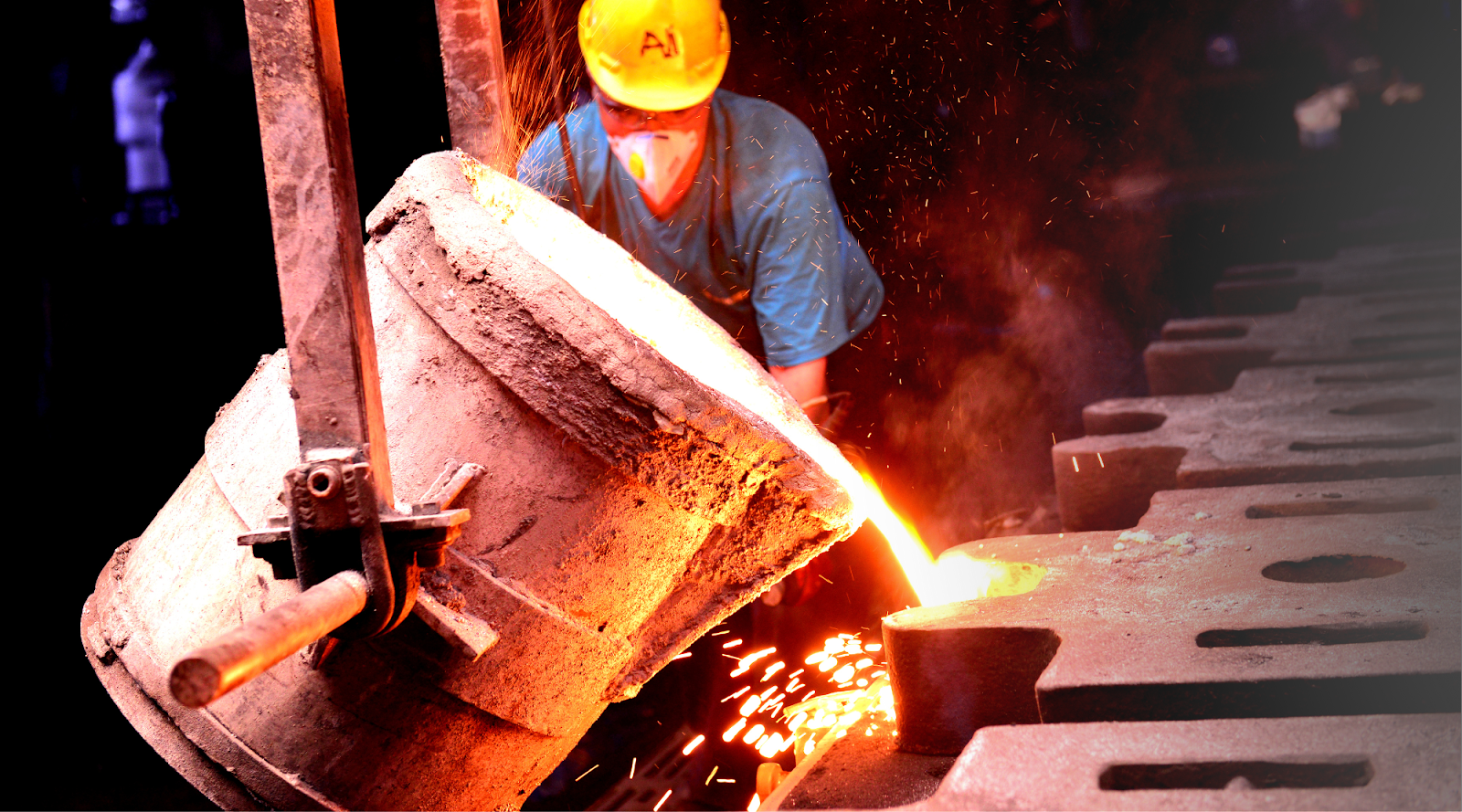
That’s why even broken jewelry, scrap metal, or outdated items can carry real value. Demand isn’t driven by fashion, it’s driven by necessity.
How Industrial Demand Influences Metal Prices
Metal prices rise and fall for many reasons, but real-world utility is one of the biggest drivers.
When new technologies emerge, environmental regulations tighten, or clean energy expands, demand for specific metals can surge, sometimes quickly.
Key examples:
- Tech innovation increases demand for gold and silver
- Emissions regulations drive platinum and palladium prices
- Solar energy growth boosts silver consumption
- Medical advancements increase demand for gold and platinum
Knowing where and how metals are used gives you insight into when it may be the right time to sell, or hold.
Gold: A Critical Player in Technology and Medicine
Gold’s reputation as a store of wealth is well-earned, but its modern importance goes far beyond vaults and jewelry cases.
Essential for Electronics
Gold resists corrosion and conducts electricity reliably, making it vital for circuit boards, connectors, and microchips. Smartphones, computers, vehicles, and communication systems all rely on gold to function properly.
Safe for the Human Body
Gold is biocompatible, meaning it works safely inside the body. It’s widely used in dental work, implants, pacemakers, and advanced medical treatments, especially in emerging therapies using gold nanoparticles.
Even Used in Space
Satellites, space suits, and spacecraft use thin layers of gold to reflect radiation and regulate temperature. Without it, modern space exploration wouldn’t be possible.
Gold isn’t just valuable. It’s indispensable.
Silver: The Industrial Powerhouse
Silver may not get the same attention as gold, but industrially, it does more heavy lifting than almost any other precious metal.
Best Natural Conductor
Silver conducts electricity better than any other element, making it essential in electronics, batteries, switches, and circuit boards.
Crucial to Solar Energy
Solar panels rely on silver paste to convert sunlight into electricity efficiently. As renewable energy expands, silver demand continues to grow.
Manufacturing & Chemical Use
Silver-based alloys are used in plumbing, construction, and manufacturing. Silver catalysts help produce everyday materials like plastics and adhesives.
Silver works behind the scenes, constantly, quietly, and at massive scale.

Platinum: Clean Air and High-Tech Innovation
Platinum’s strength lies in its stability under extreme conditions.
Emissions Control
Platinum is a core component of catalytic converters, reducing harmful vehicle emissions. As environmental standards tighten worldwide, platinum remains essential.
Industrial Catalysis
Refineries and chemical plants depend on platinum to safely process fuels, fertilizers, and industrial compounds.
Medical and Energy Applications
Platinum is used in pacemakers, surgical tools, chemotherapy drugs, and hydrogen fuel cells, technologies shaping the future of energy and healthcare.

Palladium: The Quiet Environmental Protector
Palladium has surged in importance over the past two decades.
Automotive Demand
Gas-powered vehicles use palladium in catalytic converters to reduce pollution. With millions of vehicles produced annually, demand remains strong.
Electronics & Medical Uses
Palladium is used in capacitors for phones and computers and in dental alloys and emerging medical research.
It’s one of the most underestimated, but economically powerful, precious metals.

Diamonds: Built for Performance, Not Just Beauty
Most diamonds mined today never end up in jewelry.
Industrial Cutting Tools
Diamond-tipped tools cut through stone, metal, and concrete, essential for construction, mining, and manufacturing.
Advanced Electronics Cooling
Diamonds disperse heat better than any other material, making them ideal for high-performance chips, lasers, and optics.
Precision Sound Technology
Some high-end speakers use diamond components for superior sound clarity.
Diamonds keep modern industry sharp, literally.

When to Sell, Hold, or Cash In
Because precious metals are tied so closely to innovation and regulation, market demand can change quickly.
Ask yourself:
- Do I have unused or broken jewelry containing precious metals?
- Am I holding items with industrial or scrap value I hadn’t considered?
- Could current demand make this a good time to sell?
Even small or damaged items can carry surprising value when market conditions align.
Put Your Precious Metals to Work
Don’t let valuable metals sit unnoticed.
At The Gold Guys, we offer transparent, no-pressure evaluations for gold, silver, platinum, palladium, and diamonds, whether you visit in person or use our secure mail-in kit.
Our experts assess items based on metal content and current market demand, ensuring you understand exactly what you have and what it’s worth.
Hidden value doesn’t have to stay hidden. Sometimes, the smartest investment move is recognizing what’s already in your hands.
